Four customer onboarding strategies for happy end users

•
•
Summarize blog with






Dana Soza, CEO of Dana Soza Consulting, shares with us tried and tested methods that have yielded exponential results when used to onboard end users.
Dana is committed to revolutionizing the CS space by upskilling leaders, CSMs, newcomers, and companies with proven CS methodology and best practices, then applying it everywhere within a cost-saving, turnkey format.
At the Preflight Huddle in San Francisco, Dana spoke on the topic “4 strategies to onboard end users,” sharing tried-and-tested methods to onboard end users via tech, low, mid, and high touch customer onboardings.
Here are steps to implement Dana’s customer onboarding strategies for your end users.
PRE-WORK: Know your use case
Ask yourself the following questions to know what kind of onboarding experience you want to give your customers. These could be directed at your customer or the end users of your customer’s service or product.
The five Ws and How
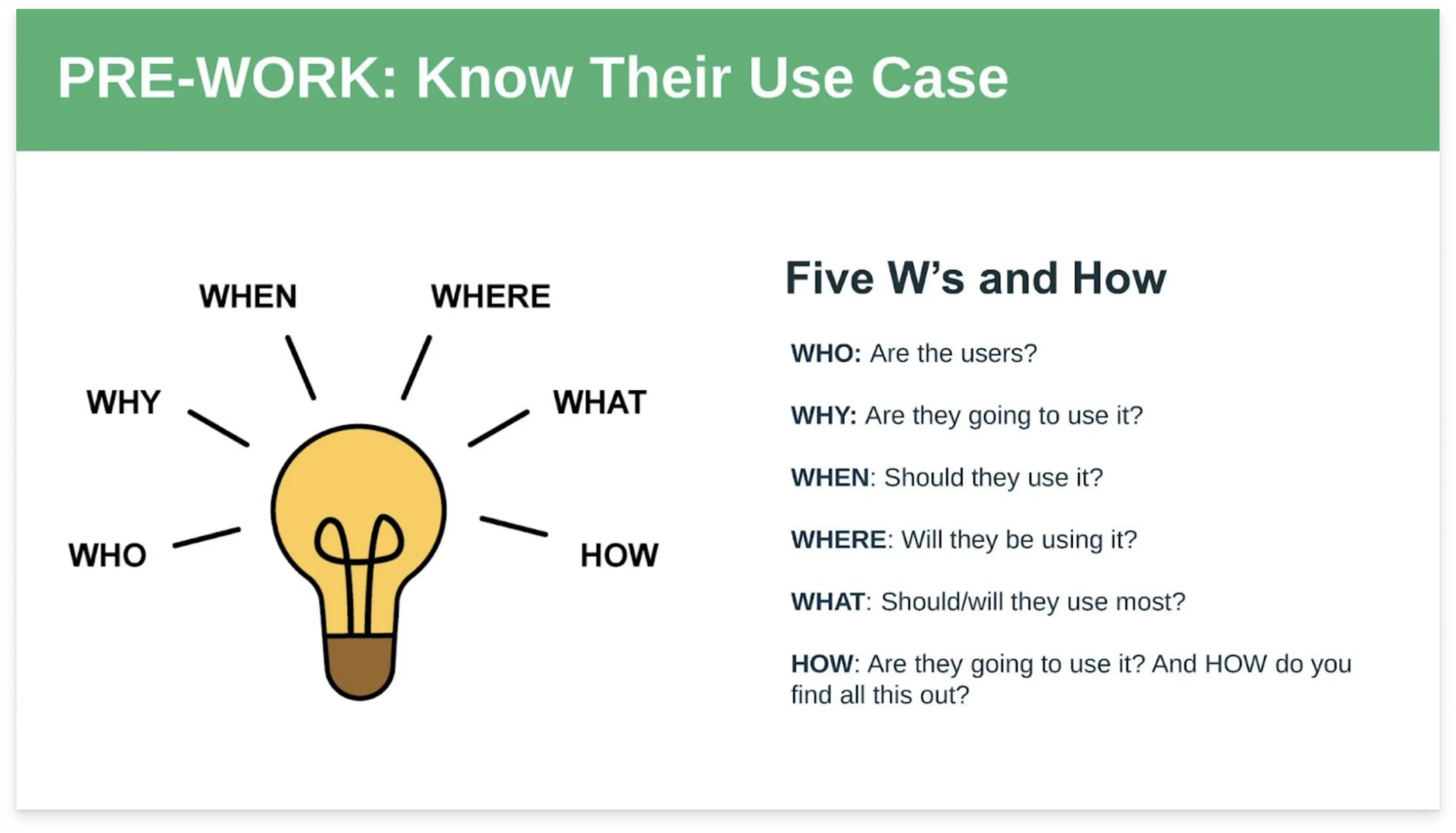
The answers to these questions will lead to understanding the kind of touch you need to plan your onboarding, i.e., what engagement touch should you use to onboard this user?
By answering these questions, you can tailor your engagement touch journey. For example, if hundreds or thousands of users spread around the world have a similar use case, you’ll want to use tech, low or mid-touch. If there are fifty to a hundred users in a region and they all have different use cases, they need a high-touch onboarding model.
The challenge and solution
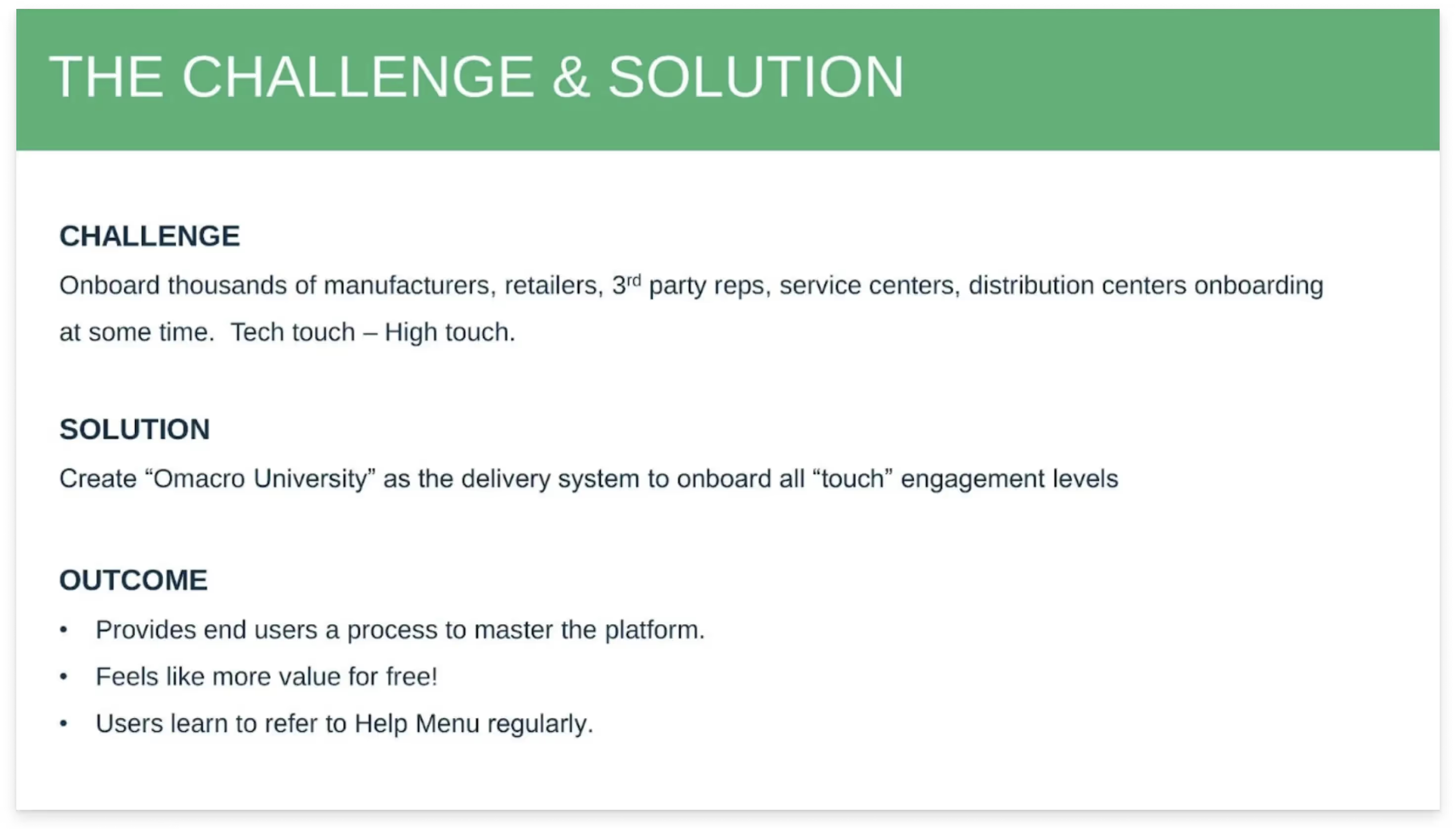
Onboarding thousands of end users with multiple use cases and different levels of tech-savviness is the biggest challenge for most companies.
Build a university!
You read that right. Building a university will help end users master the platform. It will also help you bridge the gap between the actual value added to the higher perceived value. By bridging the gap, you’re also creating habit-forming usage. And that is already a launch pad for your adoption efforts.
How to build a university
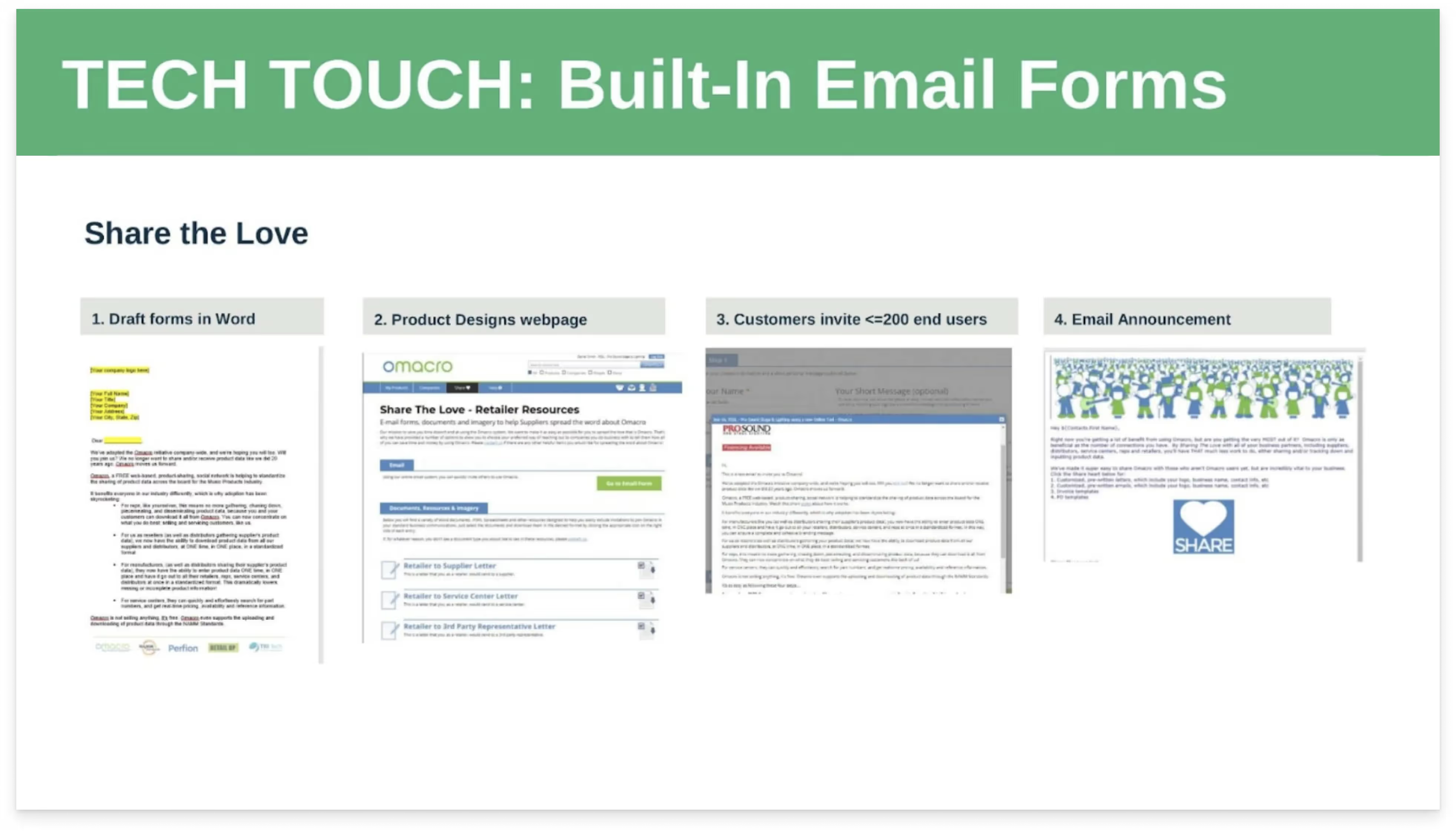
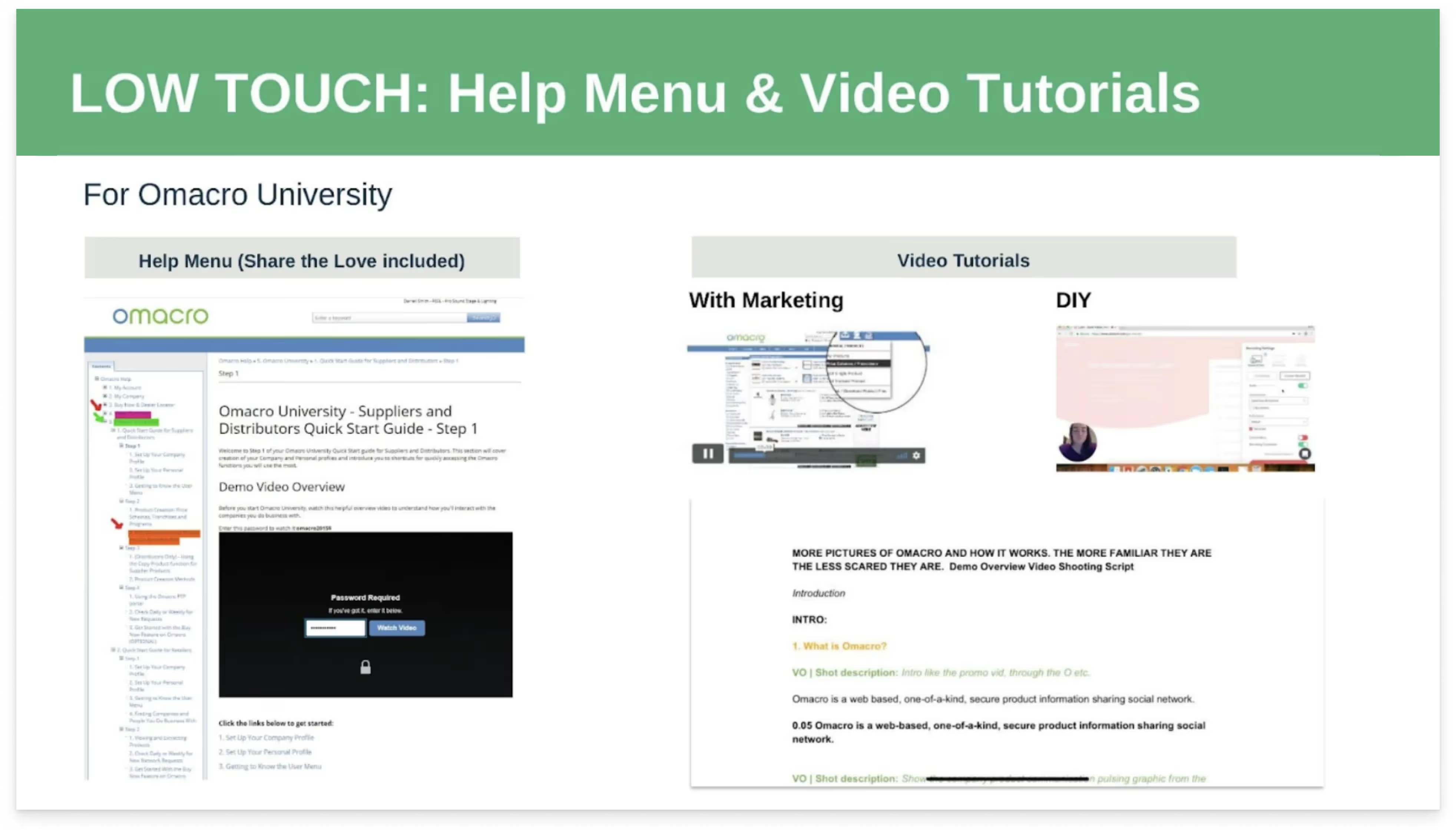
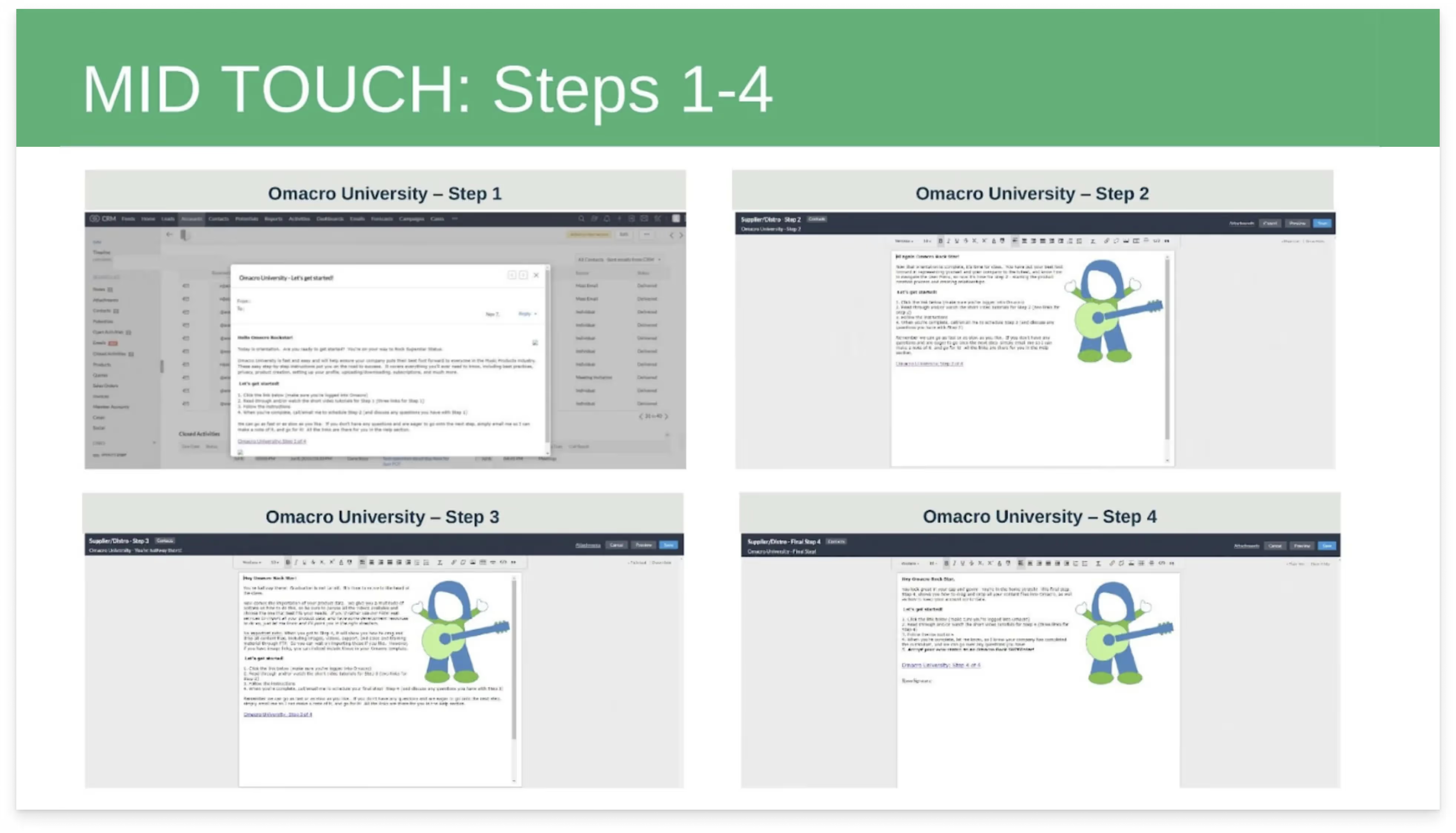
Here are steps you can follow to build a university for tech, low and mid-touch: Collaborate with product, marketing, and technology teams in your company to build each of these models for various use cases.
Steps to Build Tech Touch
Steps to build low touch
Steps to build mid touch
High touch onboarding with clinics
Whether you are a consultant who is trying to teach end users how to onboarding themselves or if you’re creating the onboarding plan for them, here is a process that you can adopt:
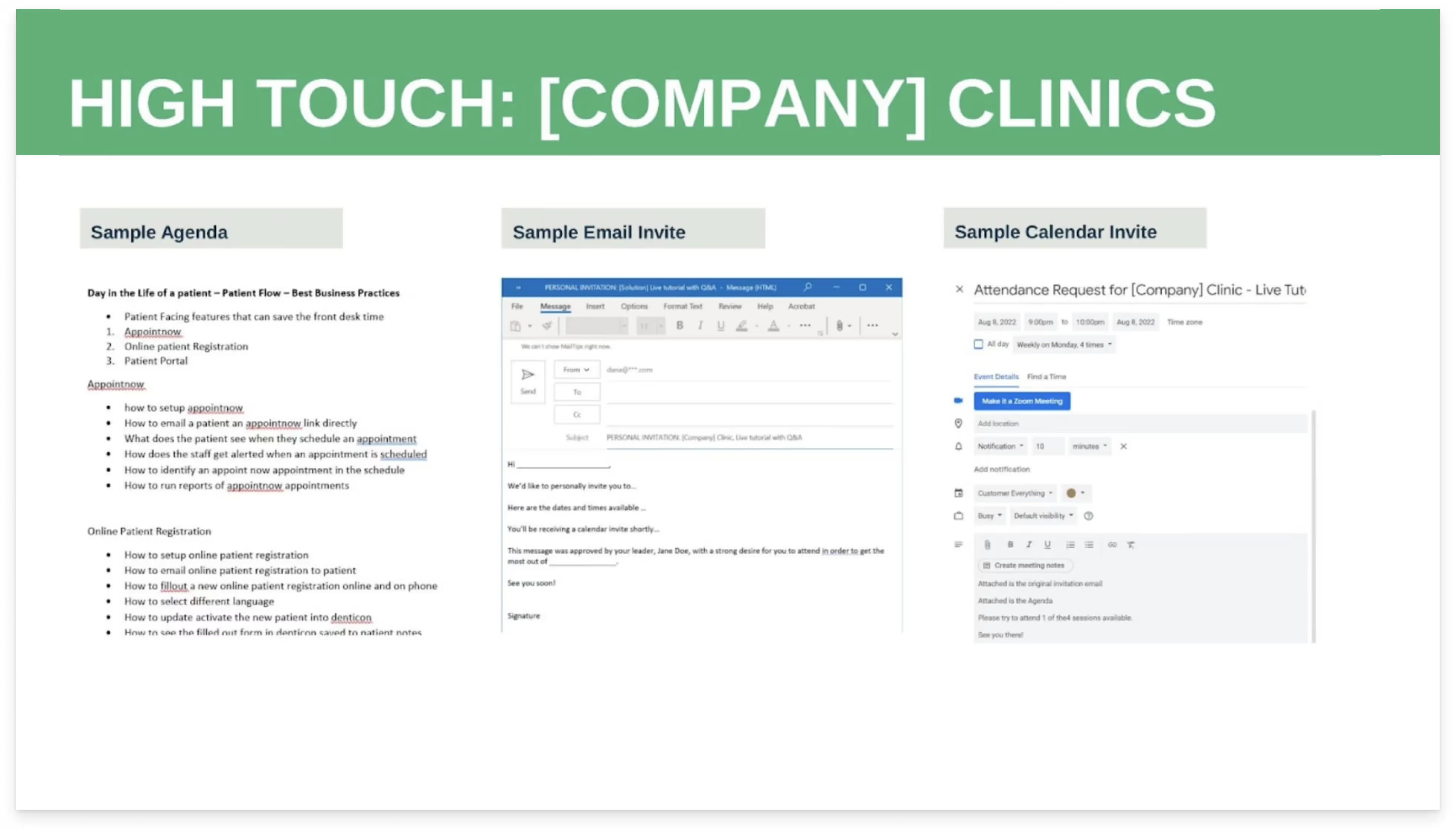
Here are a few things to keep in mind while creating a high-touch end-user onboarding model:
- Always gather data before and after you have set the process. It will help track how well end users have adapted to your product or service.
- Make sure to include sticky features as part of the training.
- Keep the management in the loop in communications with the end user.
- Include a quick start guide to kick things off!
- Set timelines and share those timelines with your end user.
- Track everything, including attendance, practice sessions, time taken vs. time allocated to complete a task, and completion
Outcomes
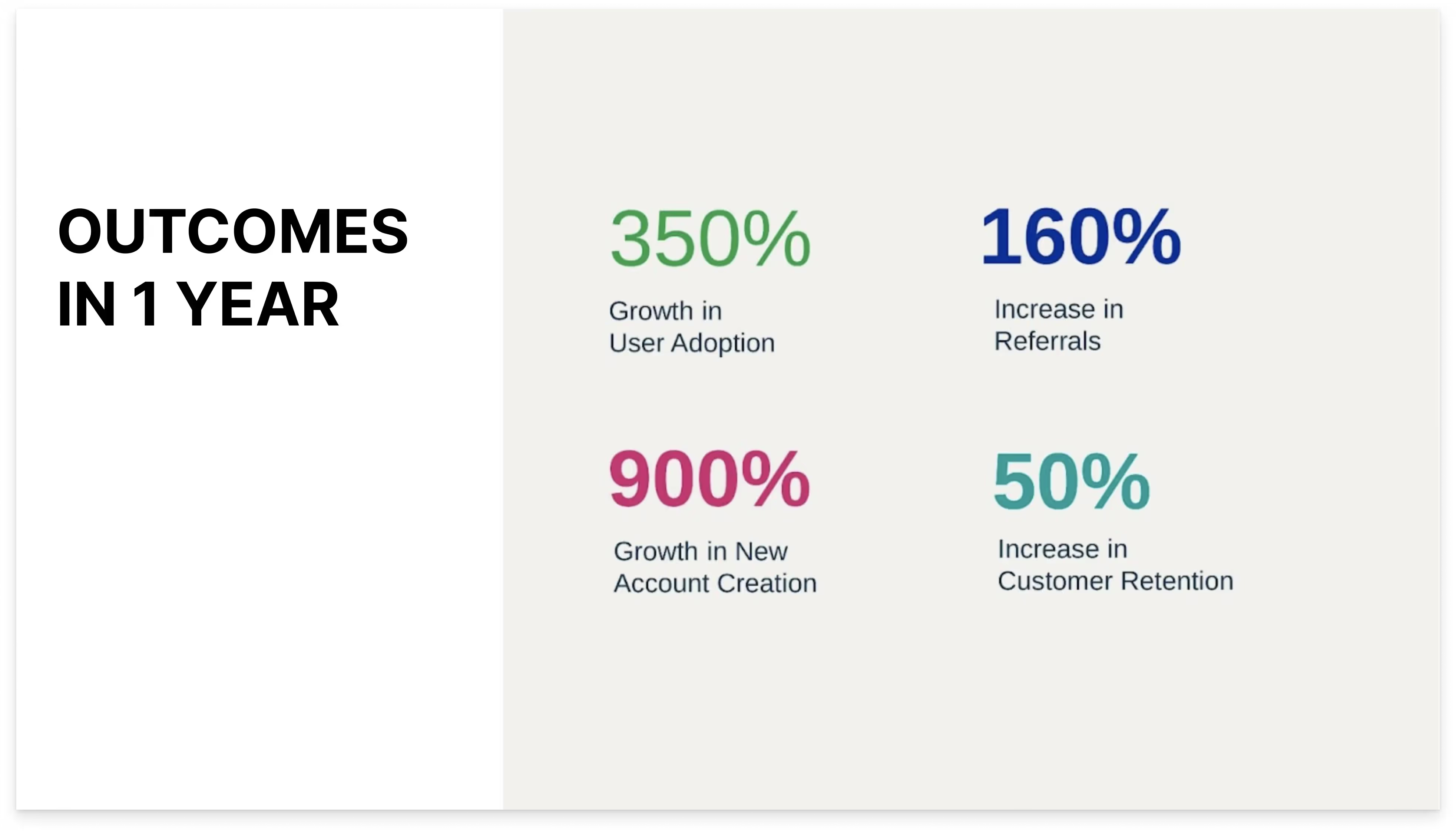
The key, Dana shares, is to cover the use cases in the planning phase. It helps get the job done! Make sure the other teams learn about the impact they have helped achieve. This will keep everyone aligned and motivated on your asks to implement the strategies.
More resources
Table of Contents

Regsiter for the live webinar


Great consultants didn't join your team to spend Fridays writing documentation.
Table of contents
18 of Forbes Cloud 100 chose Rocketlane. The best PS teams aren't waiting around.
FAQs













Copyright © 2026 Rocketlane Corp. All rights reserved.
















.webp)