New customer onboarding for B2B fintech companies


•
•
Summarize blog with






Customer onboarding can feel overwhelming for B2B teams.
Especially for those in the fintech space: requirement gathering, data cleanup, integrations, go-live...
But it doesn’t have to be that way.
In 'Onboarding new B2B customers: A fintech perspective', Abhishek Vora, Head of Customer Success at Mosaic, covers how a modern approach to B2B fintech customer onboarding can bring consistency, predictability, and visibility to your process.
About Mosaic
Mosaic is a Strategic Finance Platform that acts as a compass for business leaders and sits at the center of the CFO tech stack—empowering finance leaders to make more profitable decisions.
In this webinar, you’ll learn:
1. Why customer onboarding is critical to your success
2. The customer onboarding process at Mosaic
3. How to bring your A game to customer onboarding every time
Key takeaways from the session
Mosaic’s customer onboarding North Star(s)
1. Reduce time-to-value
Legacy players in the area Mosaic operates are known to take anywhere between six months to a year to implement their systems. Mosaic wants to implement their software in a couple of weeks. So TTV is a key differentiator for them.
2. Get data right
Mosaic is in the fintech space, so accurate data is key.
Customer onboarding guard rails that help Mosaic
Mosaic has a practice in place that helps the team stay the course and ensure customer onboarding runs smoothly: They overcommunicate with their CS teams as well as their customers. This ensures that they stay accountable for their North Stars too.
What makes customer onboarding critical for fintech
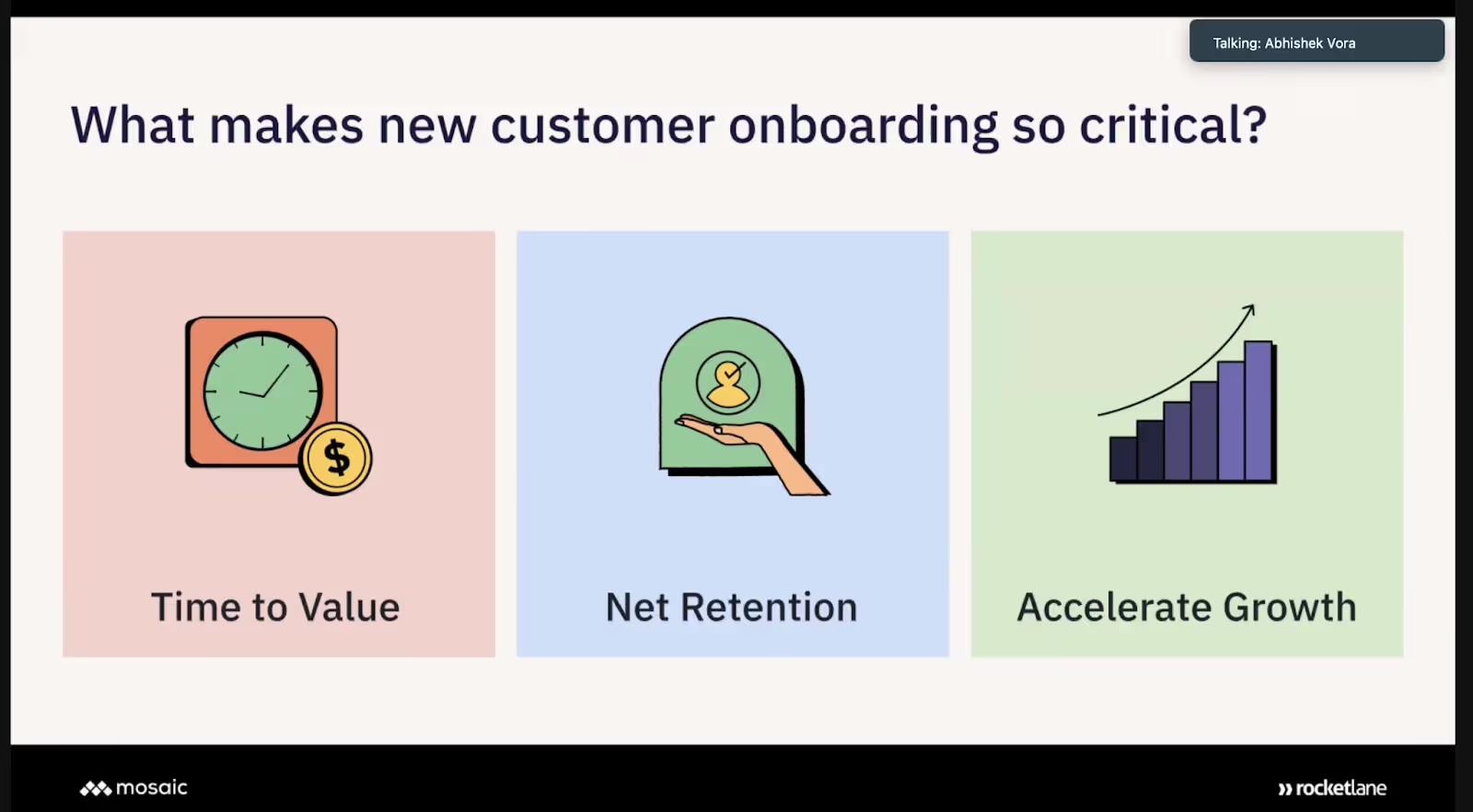
Time to value
We live in an age of Instagram reels and TikTok content, of quick value. Consumers are going to want that from B2B businesses too. And customer onboarding is a great way to show quick value.
Net Retention
Net retention is a lagging indicator of customer health. An important contributor to customer churn is rocky onboarding.
Growth acceleration
When you’re working in a fast-paced industry, the sooner you can create customer advocates, the sooner that will translate to online reviews and testimonials, which will, in turn, boost growth and bring down customer acquisition cost.
Customer onboarding at Mosaic
Tech stack
- Vitally for account health
- Rocketlane for customer onboarding
- Heap for usage trends
- Gong for customer calls and analysis
- Salesforce for CRM activities
How CS is structured at Mosaic
The CS team reports to the founders. It is divided into the following sub-functions:
- Implementation
- Customer Success Managers
- Customer Support
Evolution of Mosaic’s implementation process
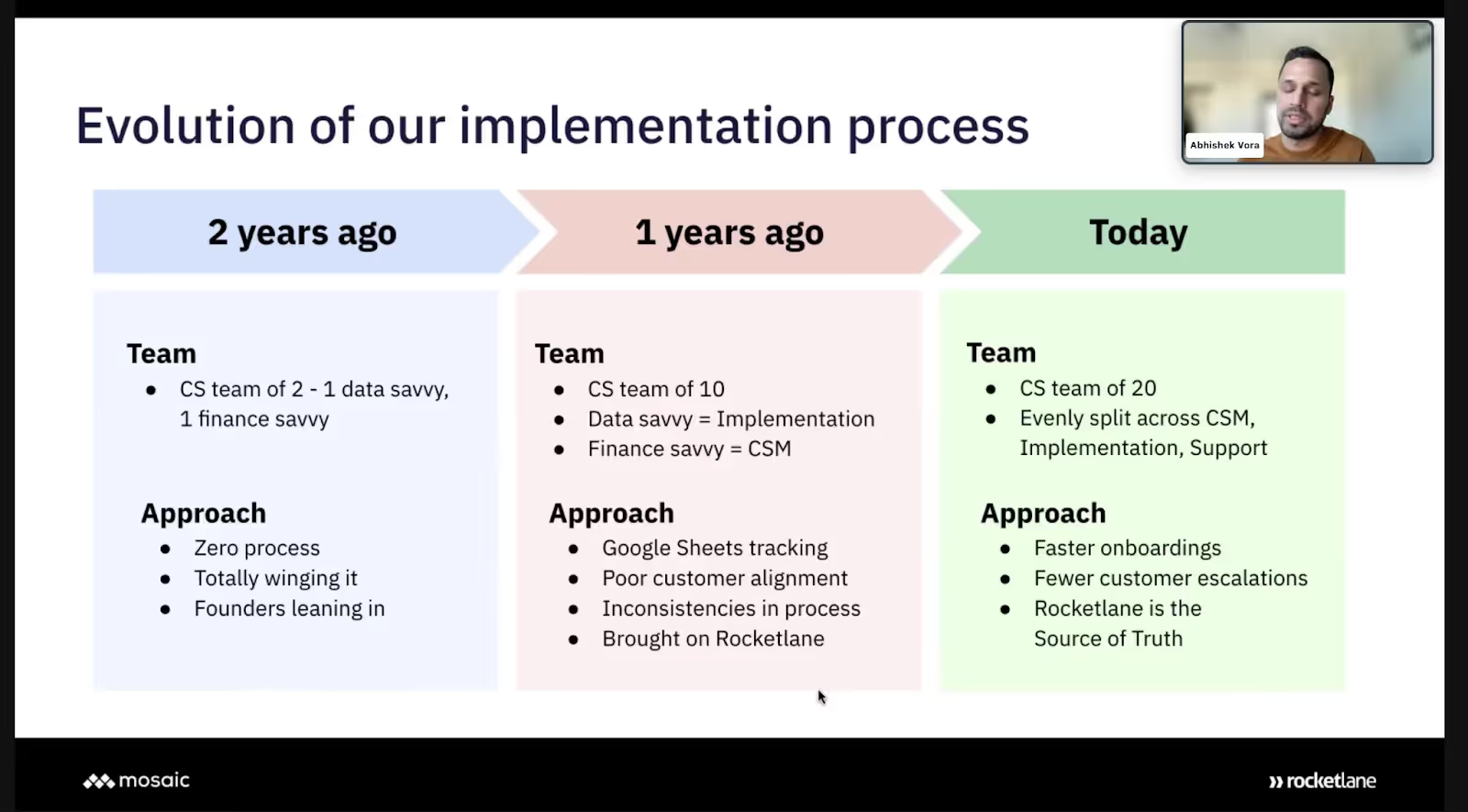
See also: How Rocketlane saves ~120 hours every month for Mosaic
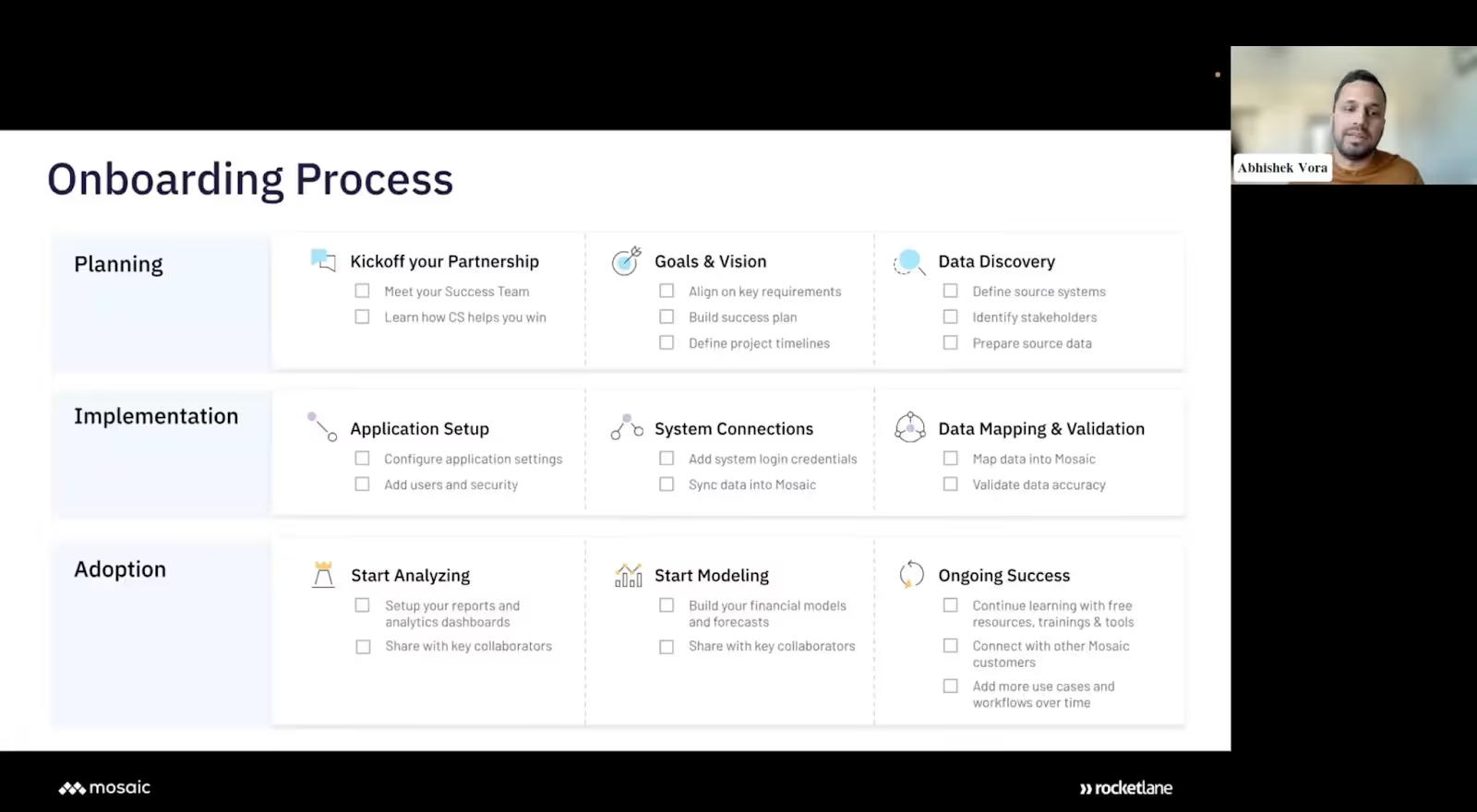
Mosaic’s customer onboarding process
A large portion of Mosaic’s customers are B2B, though they do have several B2C customers too. Mosaic doesn’t segment customers in the traditional sense. They categorize customers based on
- Their source of truth: Salesforce, Hubspot, etc. We also see customers who use a billing tool such as Stripe as their source of truth (revenue numbers, etc.).
- Use case prioritization: Some customers want to understand analytics and metrics. Some might want to use Mosaic for planning first. So their onboarding varies based on customer priorities too.
How to manage ‘garbage’ data
This is a common issue in fintech customer onboarding. Though there is no silver bullet for this problem, Abhishek recommends:
- Set clear expectations at the beginning—during the sales cycle, through the kickoff call, and throughout the onboarding process
- Walk customers through how they can do data cleaning at their end before sharing it
- Loop in the data analyst/RevOps/SalesOps person (anyone familiar with the data part) at the customer’s end and work with them really closely throughout the data migration process
Ensuring customer accountability
This is where Rocketlane helps Mosaic. Mosaic’s implementation team walks customers through their project plan via Rocketlane. The customer portal provides customers with visibility into project progress and CSAT surveys at milestones. The automated notifications help nudge customers to deliver on time.
Metrics Mosaic tracks
Implementation metrics that Mosaic tracks via Rocketlane
- Time to onboarding
- Time taken to scope implementation
Time taken to build implementations - No. of analyst hours used per implementation
A general CS metric that Abhishek keeps track of is MAU.
How Mosaic manages multiple implementations in parallel
- Every Friday, Mosaic has implementation team members send status updates as Loom videos
- Every Monday, they have a 60-minute alignment meeting where the CSMs and the implementation team talk escalations and customer questions through
- Mosaic maintains status notes on Rocketlane. Any information requests that come up mid-week are sorted by redirecting the person to Rocketlane
Table of Contents

Regsiter for the live webinar


Great consultants didn't join your team to spend Fridays writing documentation.
Table of contents
18 of Forbes Cloud 100 chose Rocketlane. The best PS teams aren't waiting around.
FAQs













Copyright © 2026 Rocketlane Corp. All rights reserved.



















.webp)