A data-driven approach to customer onboarding

•
•
Summarize blog with






In her Propel23 session, Alisha Hardoon, Senior Manager, Customer Success & Onboarding at Robin, shared her experience with implementing a data-driven approach to onboarding.
In this session, Alisha talked about:
- The three priority questions that drove this data-driven approach
- Key findings and insights from this approach
- The changes and improvements that came from this data-driven approach and evolving your customer onboarding approach
Here are key takeaways from the session.
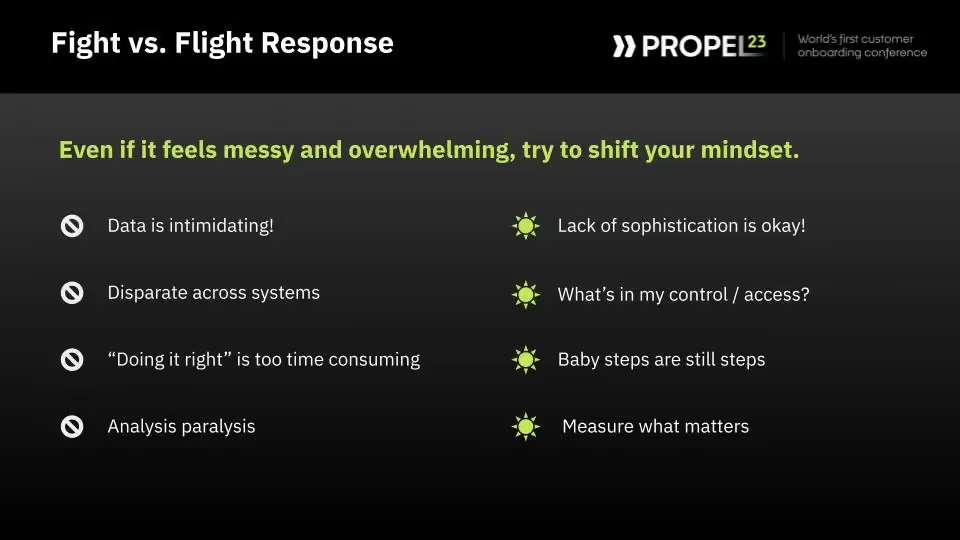
Making sense of data: Start small. Start where you are.
Wherever possible when it comes to data driving your process, favor answers that are based on metrics like CSAT or TTO (Time to Onboarding) so you can track changes over time and see trends.
If you're just getting started, the best way is to define the questions for which you need answers and start from there.
Finding data-driven answers to 3 priority questions
The CS team at Robin identified three priority questions that shaped their data onboarding approach. These questions focused on:
- The onboarding team’s performance
- Customer feedback and experience
- The actual time it took to onboard customers
.avif)
Using data from internal sessions to understand the onboarding team’s performance
The team conducted multiple in-depth discussions and feedback sessions with the team.
.avif)
The team used Figjam to do this since it made it easy to work with in-office and remote employees.
.avif)
The discussions focused on breaking down onboarding milestones, identifying what worked, and pinpointing areas for improvement. By analyzing their data onboarding trends, they prioritized the most critical pain points and created an action plan.
.avif)
The final result was an internal summary and project plan with designated owners, status, and timelines that detailed how the team was going to address the priority points.
.avif)
Using surveys to gather data on customer feedback and experience
To understand how the customer felt about the onboarding experience, the team sent out a survey (using Google Forms) at the Onboarding Review milestone.
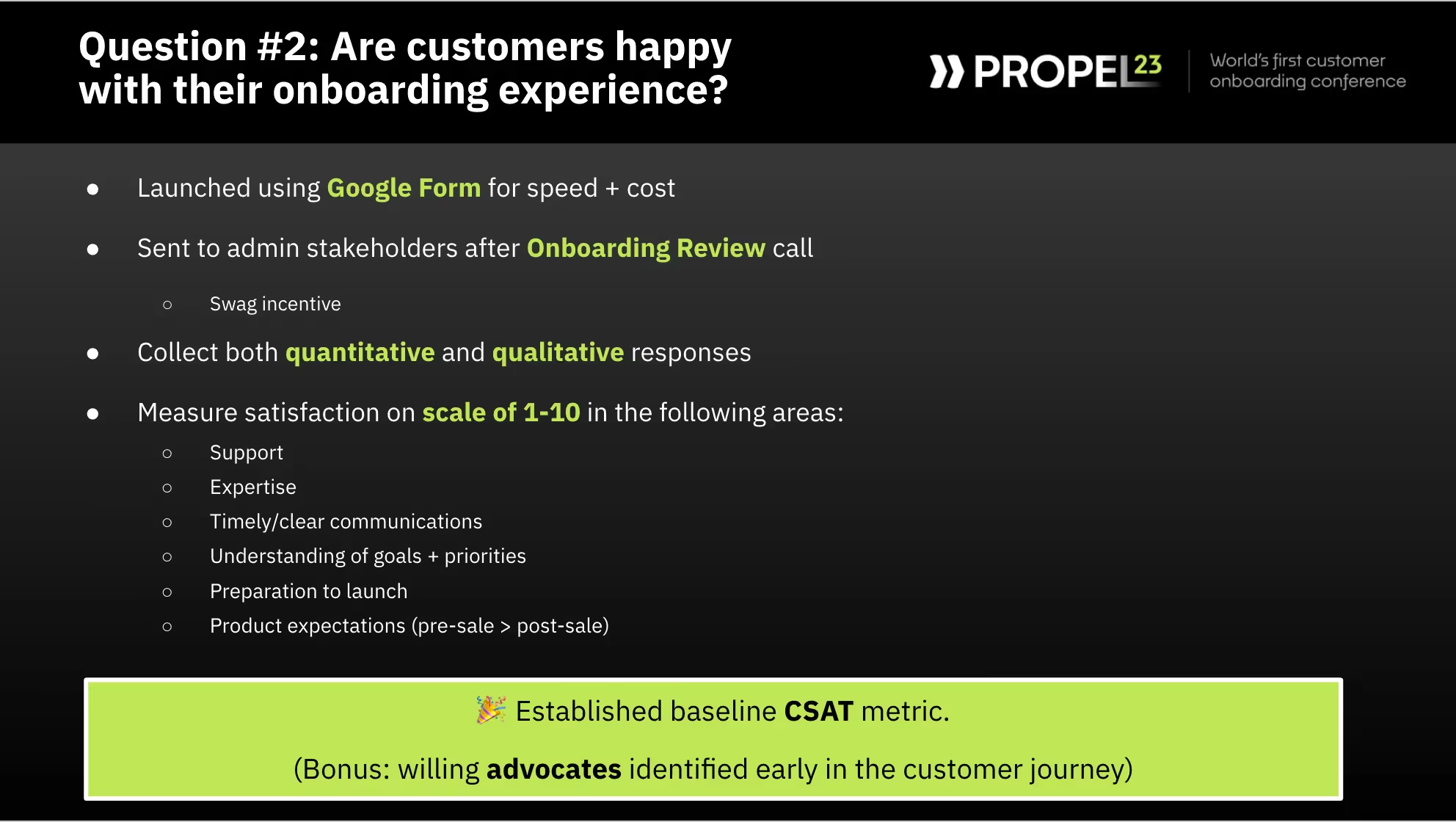
The feedback form included scope for both quantitative and qualitative responses so that users could give their ratings and add any additional context. In addition, this survey exercise also sought/identified product advocates for further marketing about advocacy opportunities.
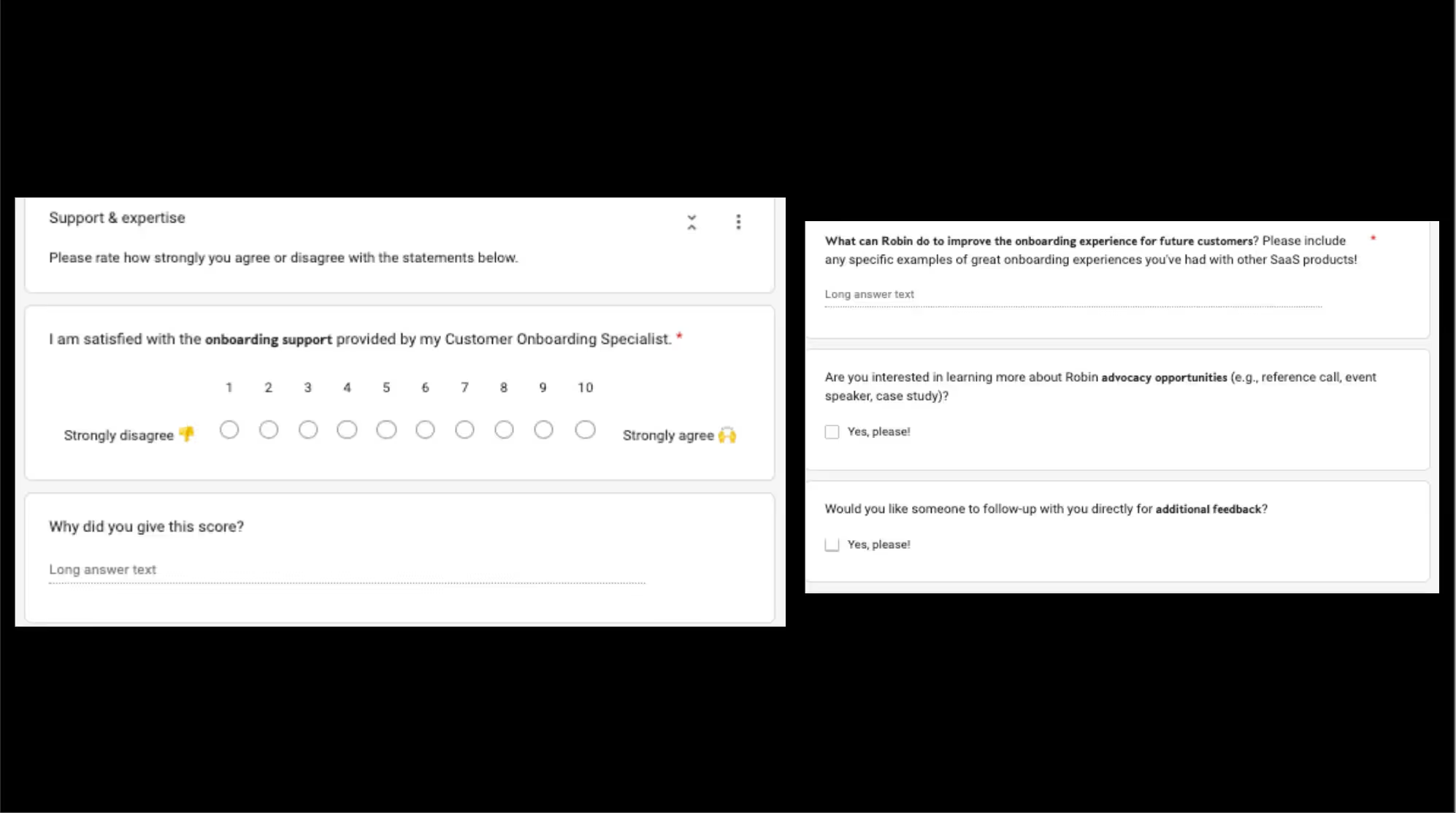
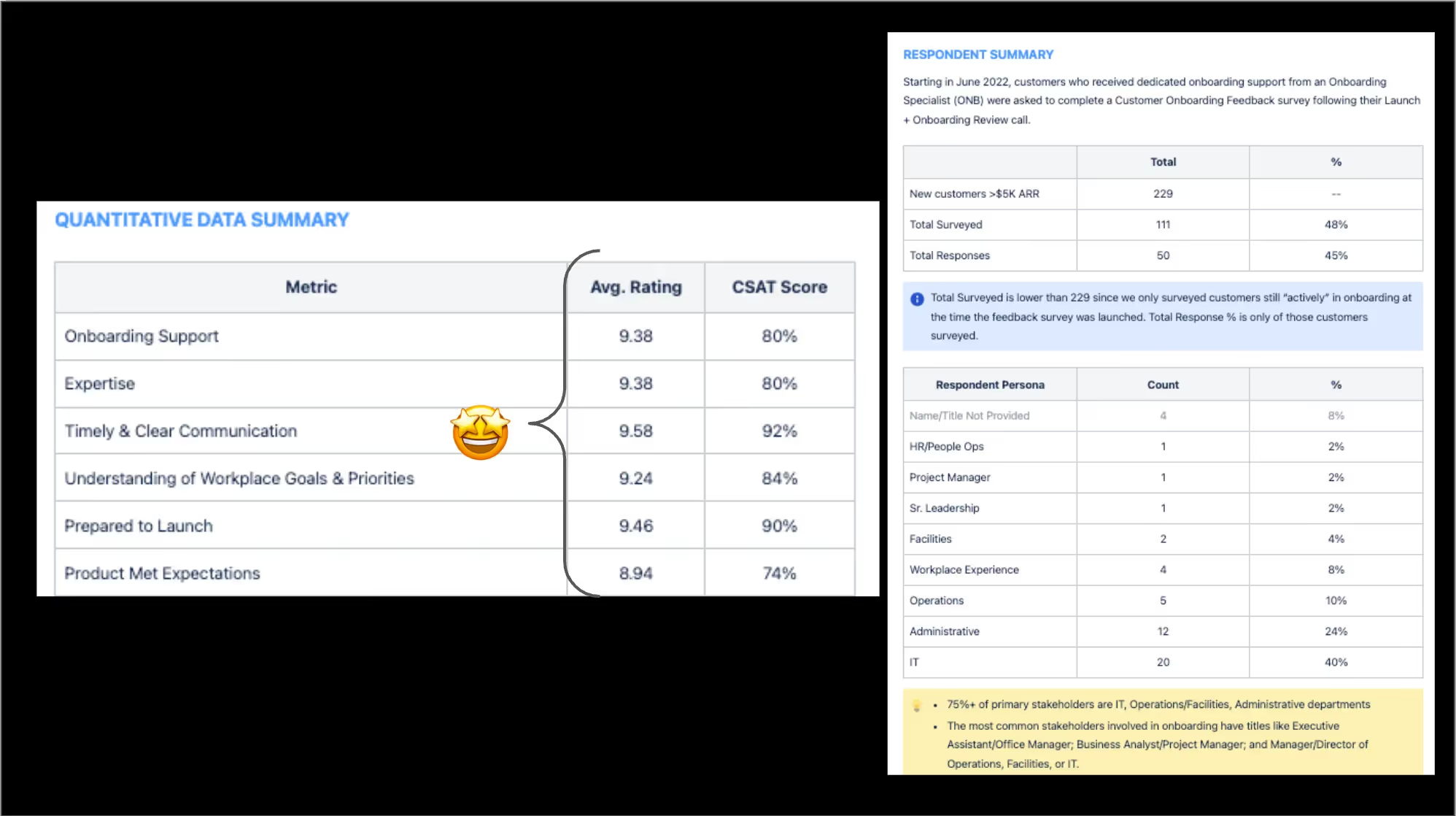
The survey findings gave the team raw data that they translated into internal documentation to
- See how they were performing on CSAT and get a baseline
- Learn how their product ties into the customers’ business/goals
- Understand how stakeholders involved in onboarding compare to presale stakeholders, etc.
- Figure out how to bridge any presale-post-sale expectation gaps
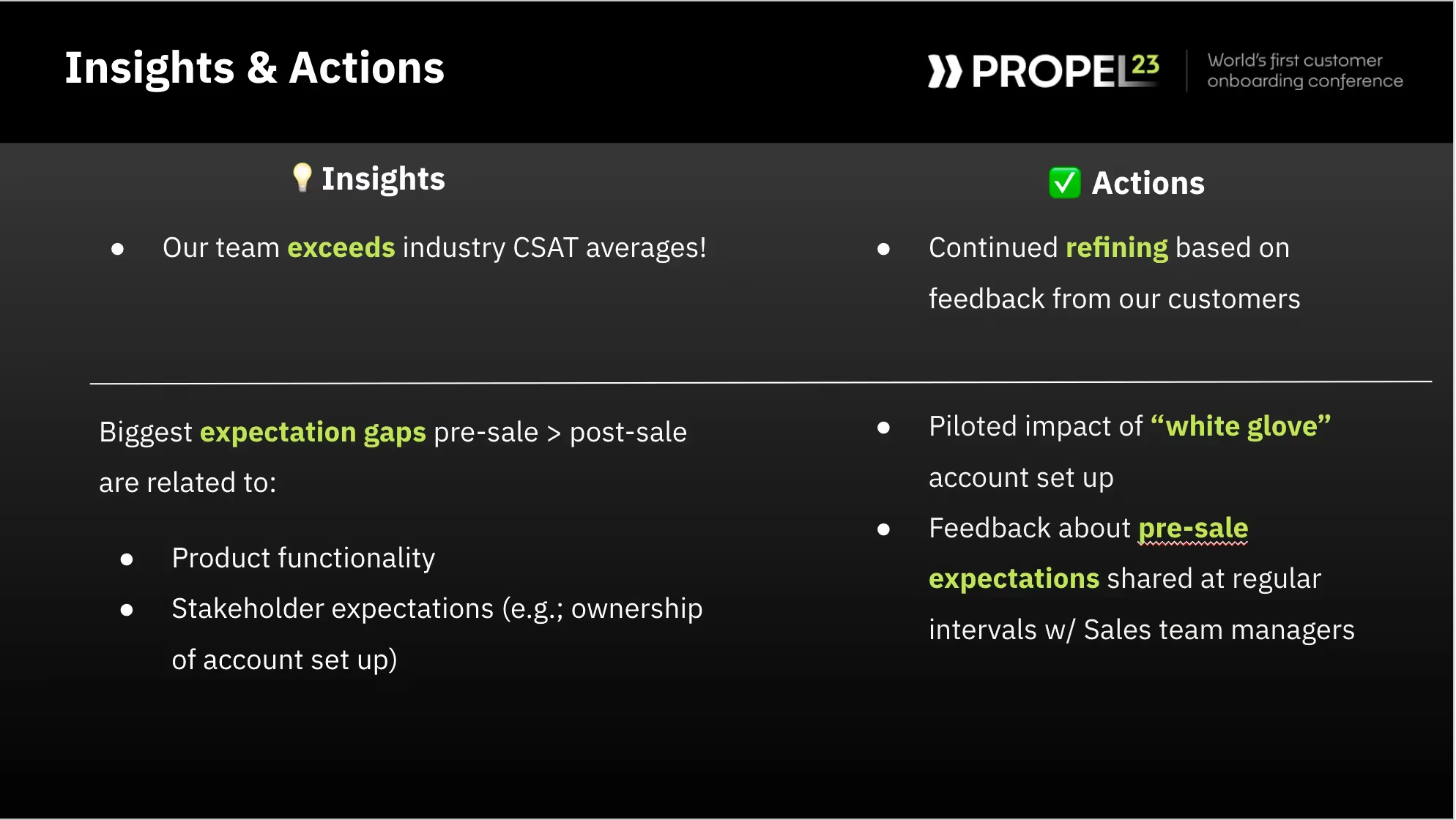
Collecting data on value delivery
The team tracked the time taken from the partnership kickoff call to the onboarding review meeting to capture the TTO (Time to Onboard) metric.
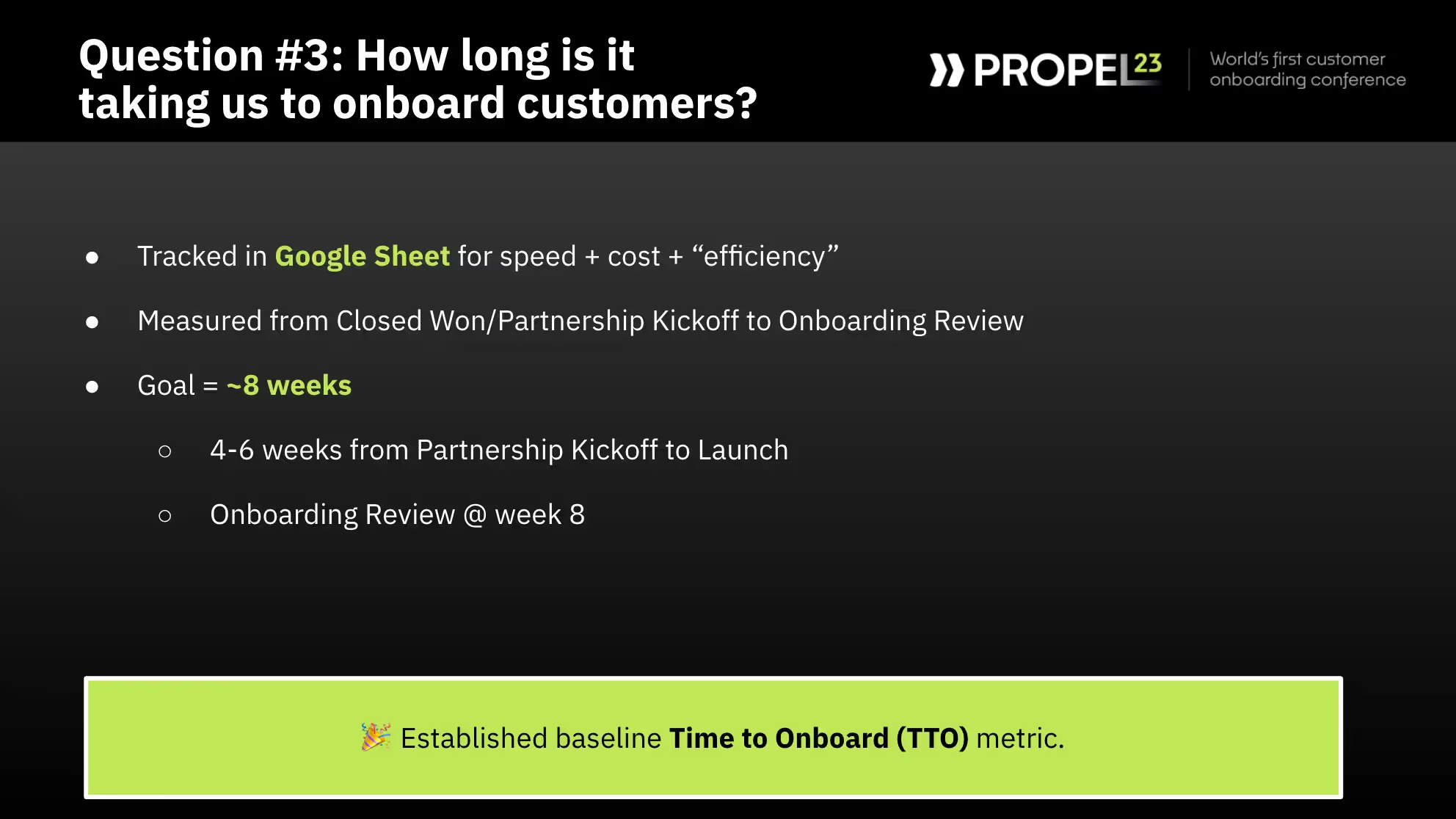
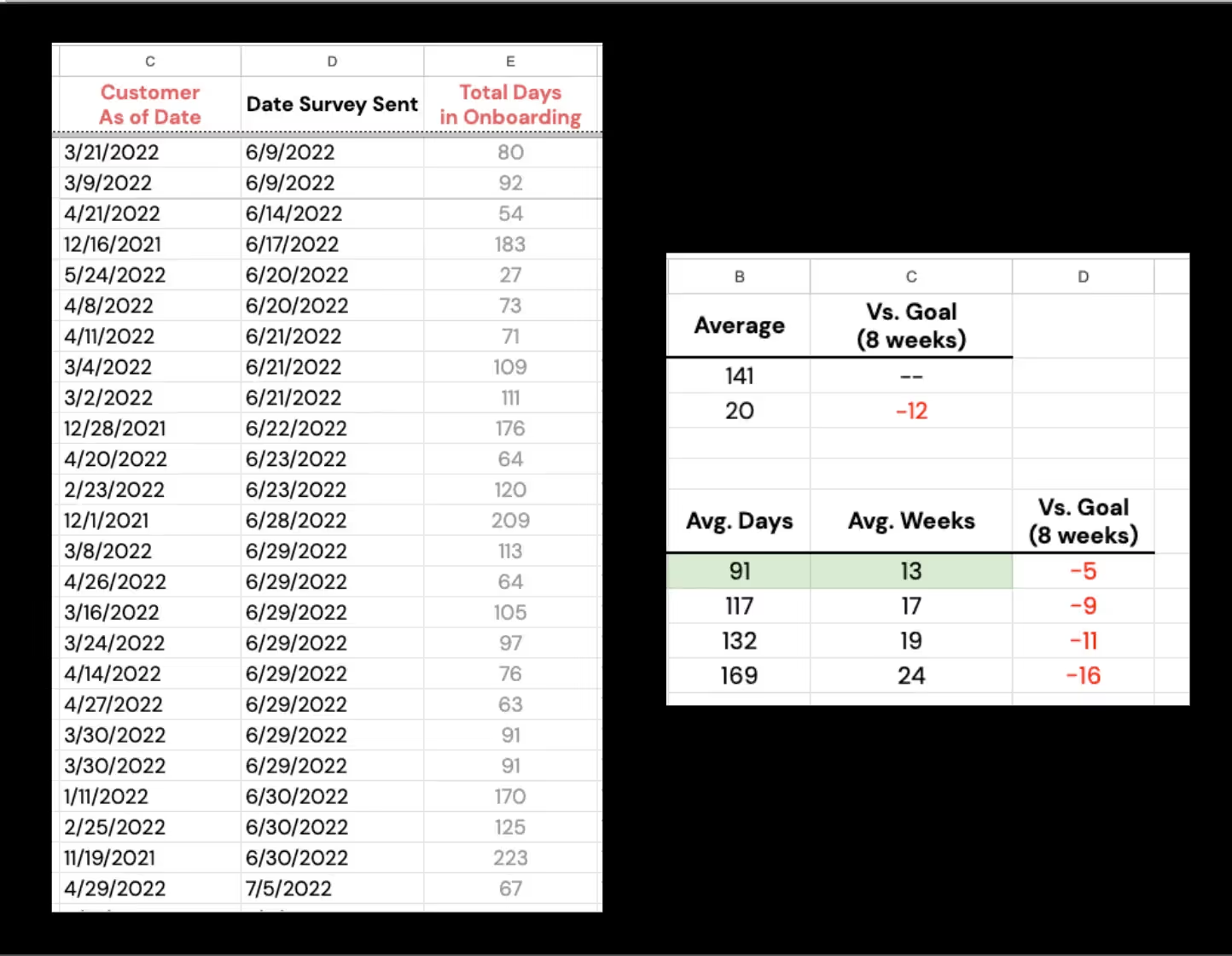
They found that their actual TTO was several months beyond what they expected (and communicated to customers).
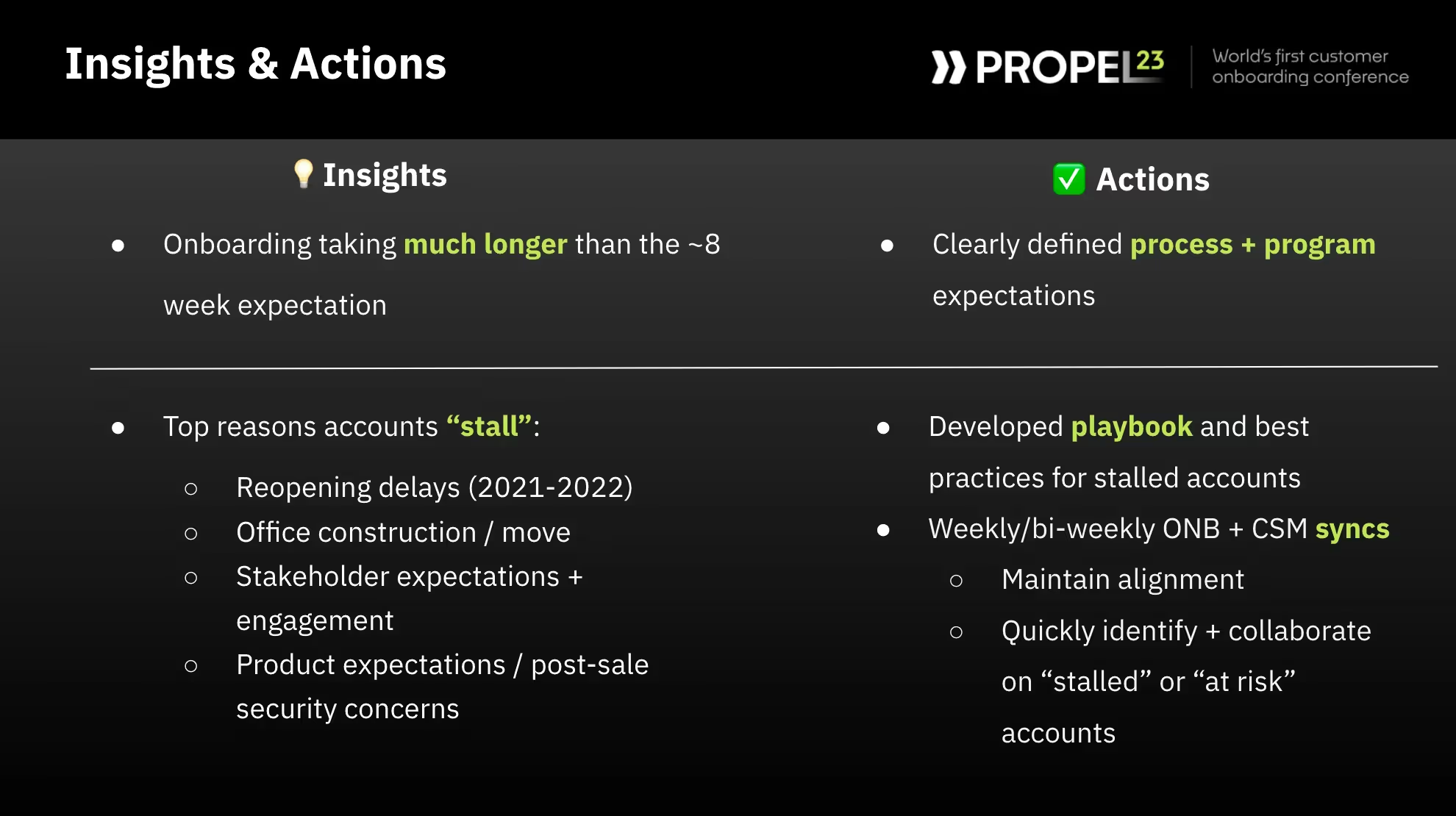
Changes and improvements that resulted from a data-driven approach
1. Milestone changes in the onboarding journey
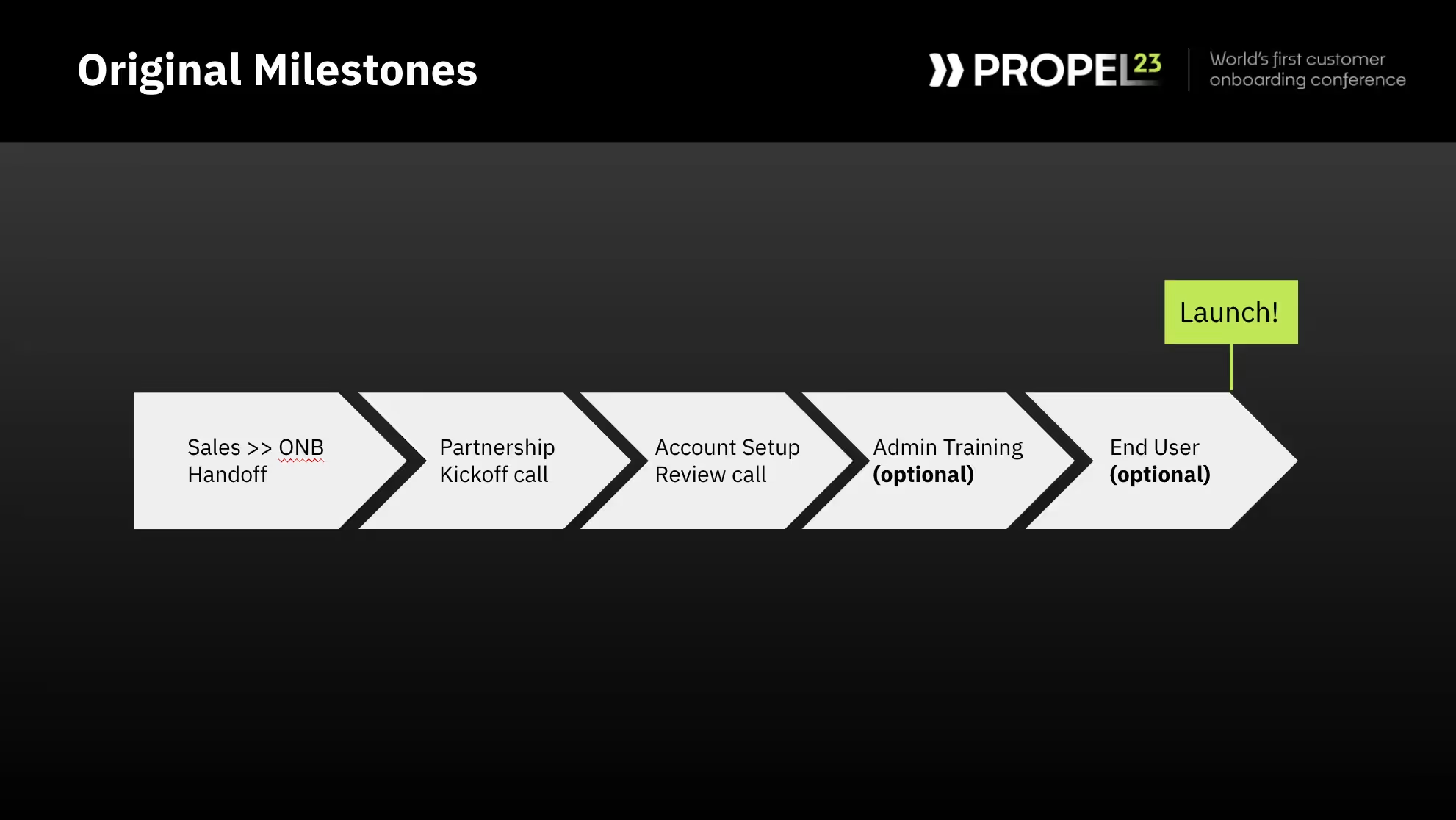
The team’s original onboarding journey was designed to onboard customers quickly. But the data showed that they had ended up doing too much too soon at the start, and overwhelming customers. Additionally, users ended up bypassing the optional training at the later stage of the journey, which caused downstream usage issues. Lastly, the team realized they’d overlooked a formal celebration of the success of the project.
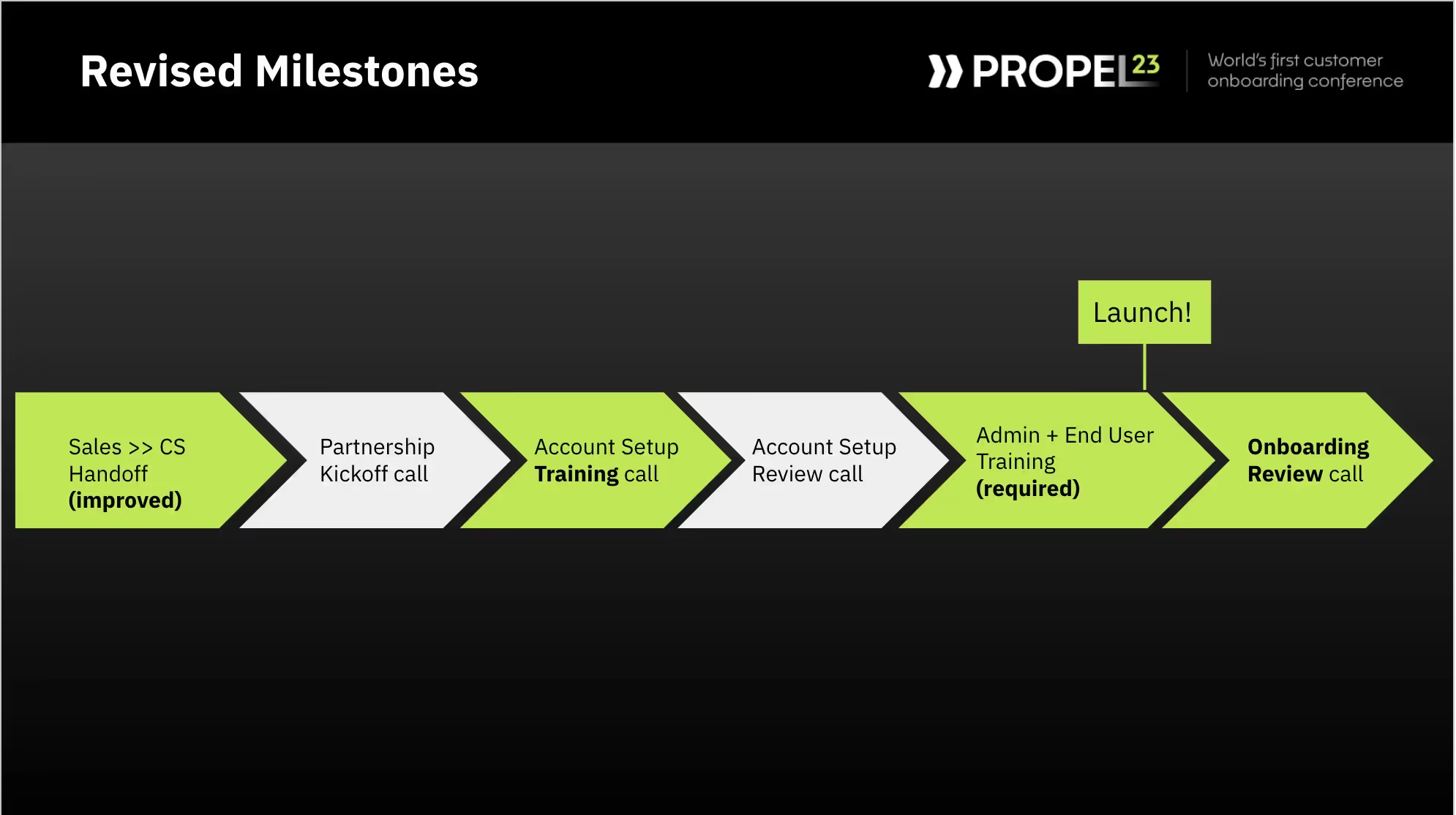
With the insights from their data, the team made the following changes to their onboarding process:
- Splitting the kickoff into a kickoff followed by an account setup training session
- Building in an onboarding review or capstone event to celebrate initial usage and acknowledge stakeholder effort
- Reframing admin and end-user training sessions as ‘Required’ or ‘Strongly Encouraged’ instead of ‘Optional’.
2. Defining best practices and developing playbooks
The team put together a best practices guide for Onboarding Managers that detailed the activities, tasks, and behaviors expected from the onboarding team.
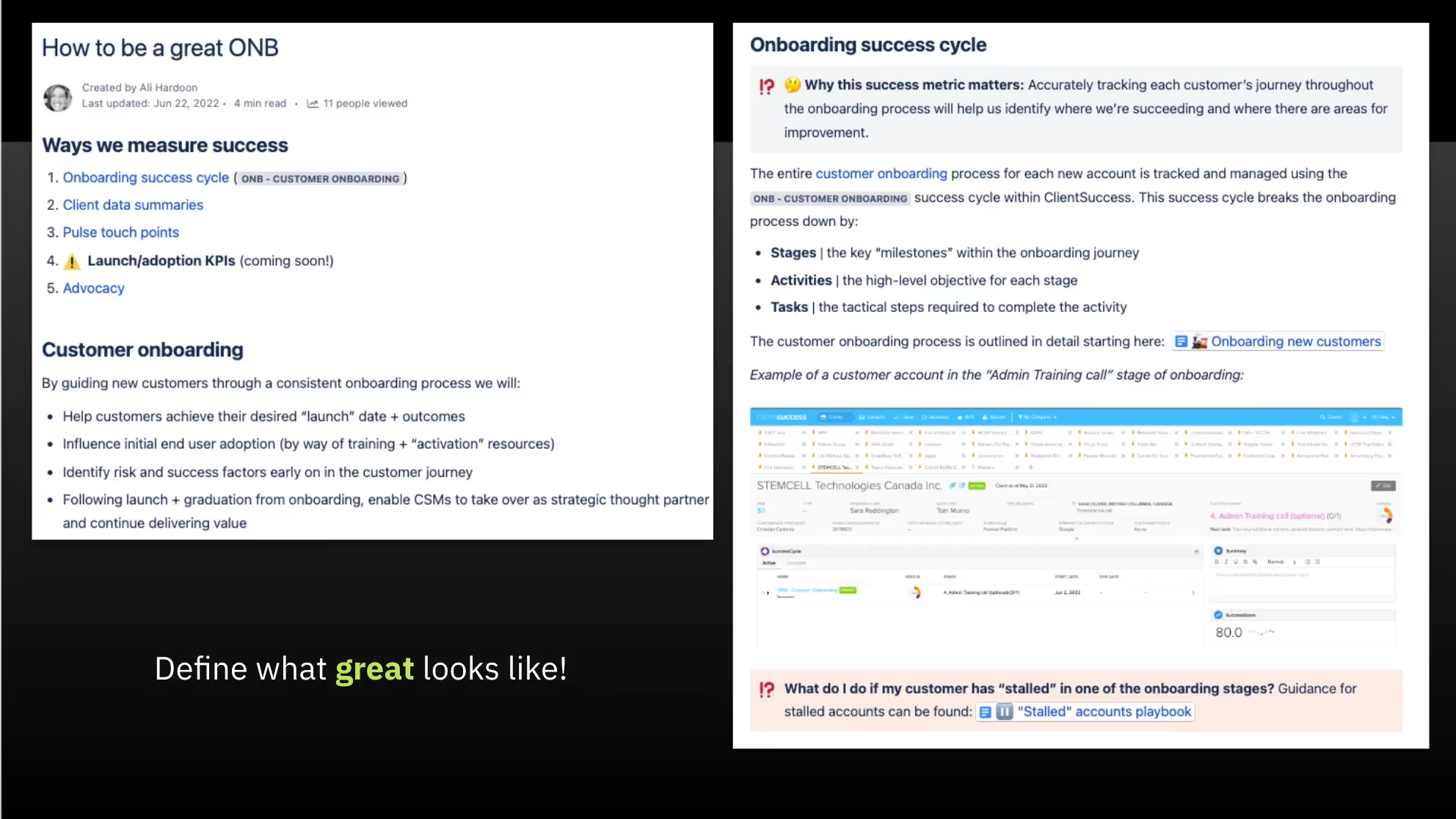
These best practices had an explicit focus on enabling and empowering the team to identify and flag risks.
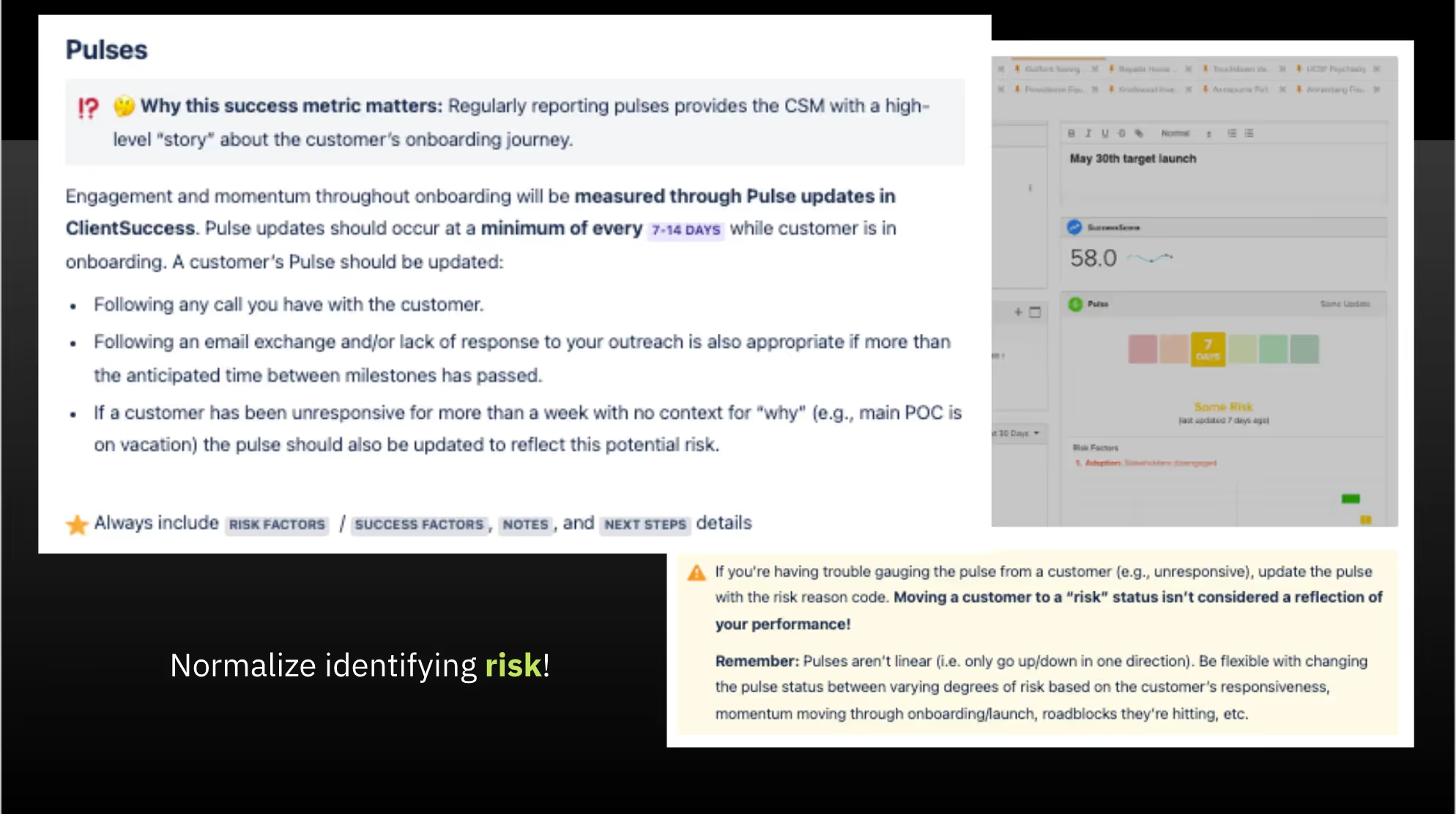
The Robin team also used the insights and findings to develop playbooks and best practices to deal with stalled accounts.
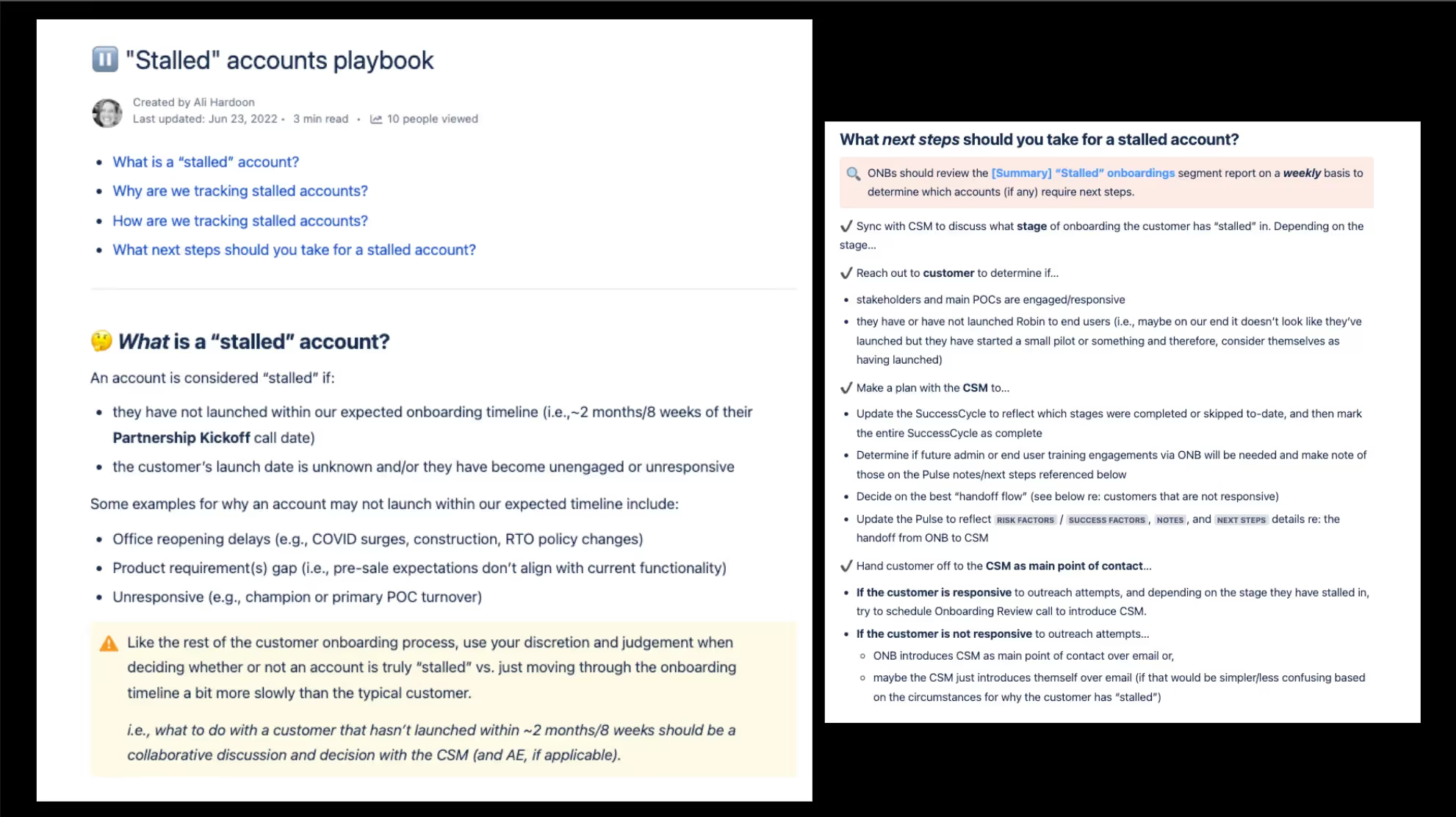
Table of Contents

Regsiter for the live webinar


Great consultants didn't join your team to spend Fridays writing documentation.
Table of contents
18 of Forbes Cloud 100 chose Rocketlane. The best PS teams aren't waiting around.
FAQs













Copyright © 2026 Rocketlane Corp. All rights reserved.



















.webp)