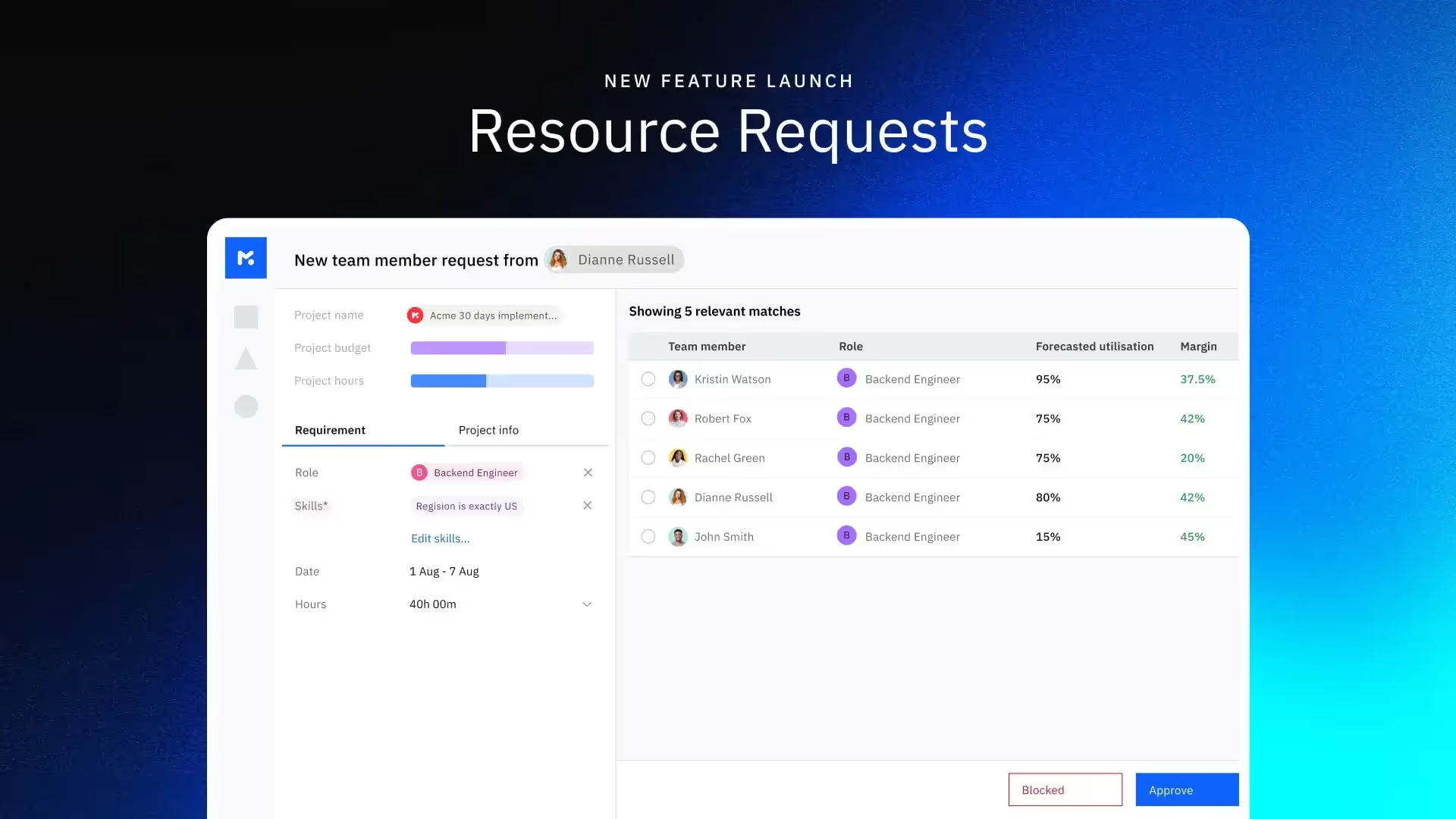
Introducing Resource Requests: Streamline your resource request process and staff projects faster!

•
•
Summarize blog with






Are your project staffing processes scattered across multiple systems? Are your resource managers drowning in emails, buried in endless threads, and wrestling with spreadsheets to find the ideal match for projects?
Checking all the right boxes and staff projects correctly and on time can feel like a frustrating marathon.
Imagine if you could eliminate this chaos and streamline the entire process. Well… we've simplified it all for you!
Introducing Resource Requests
You can streamline your resource request process and match resources to projects faster than ever! Implement a smooth request and approval workflow for your team, cutting out on any miscommunication and speeding up project staffing.
A standardized resource request process
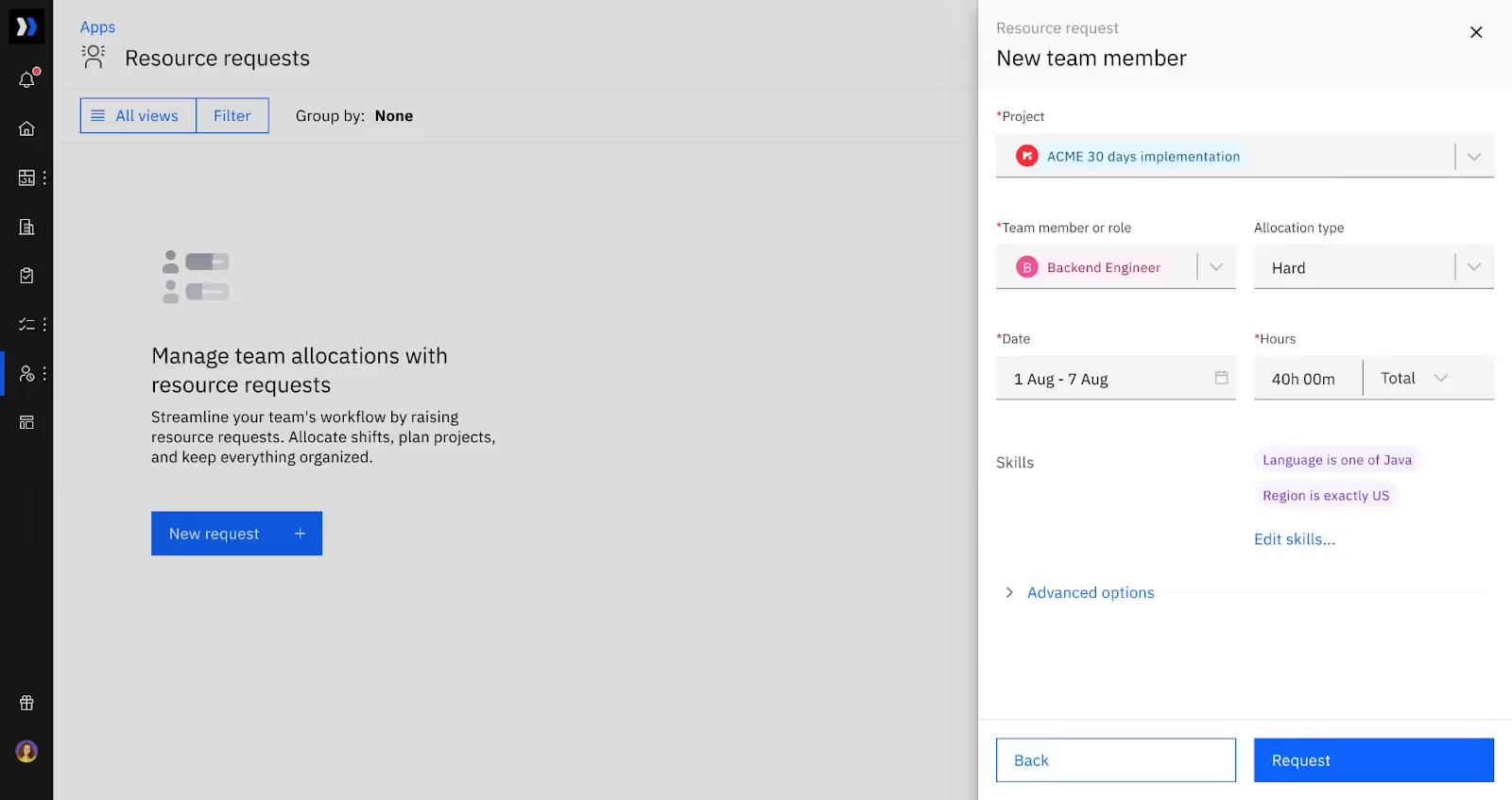
Manage all your resource requests from a single, centralized place. No matter how complex the request is, handle it all with ease. We’ve identified the common requests, and baked it right into the product:
- Requesting a new team member
- Finding a resource for a role-based placeholder
- Asking for additional hours/extension for someone
- Finding a replacement for someone in your project
- Shifting allocations in a project
- Deleting allocations
All the requests line up like perfectly arranged books on a shelf, letting you manage and fulfill hundreds of requests easily.
Accelerate staffing with smart recommendations
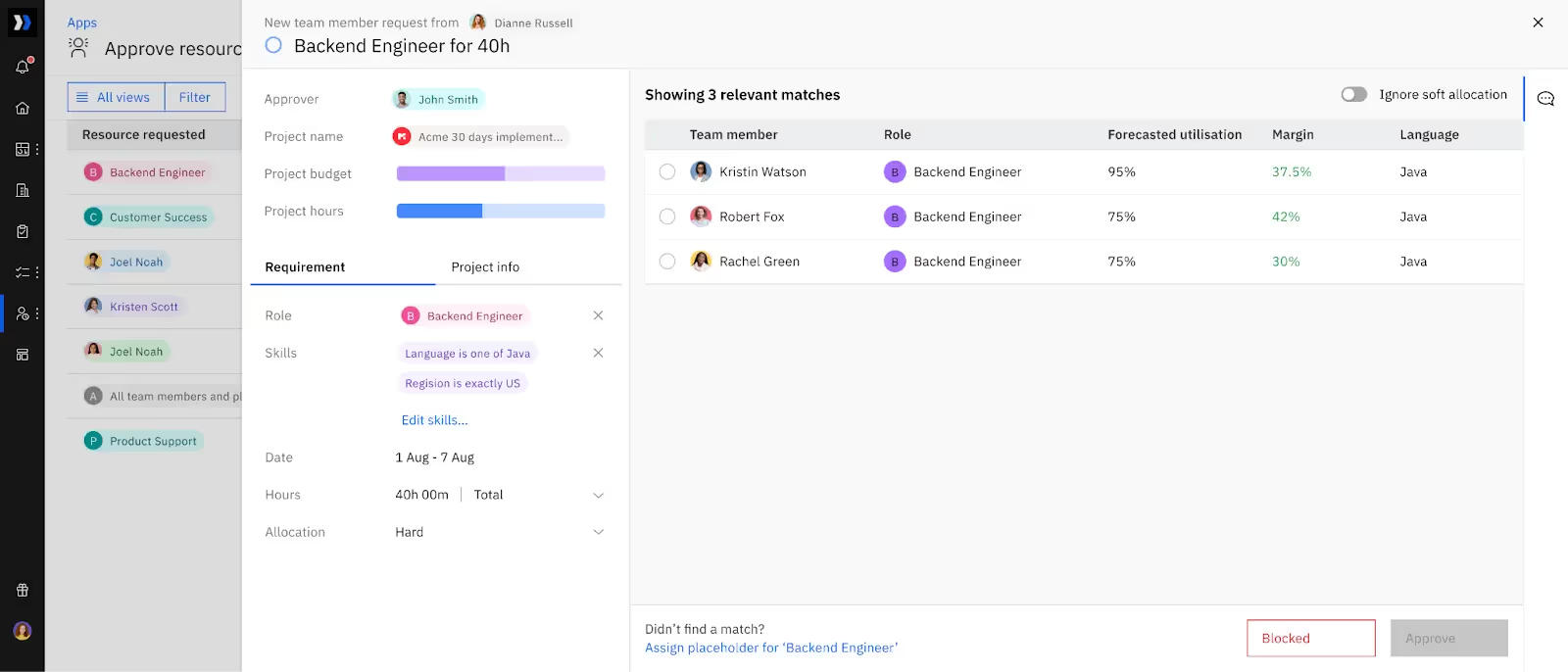
Speed up your staffing process with smart recommendations that quickly identify the right resources for your projects. Rocketlane suggests resources based on skills, availability, and project requirements, so you don’t have to spend hours sorting through data.
Ensure the best-suited team members are assigned to each task while avoiding under or over-utilization and ensuring good margins.
And if the match isn't available? No worries—easily modify the requirements and find the next best fit.
Easy, one-click approvals
Once you've found the perfect fit, approving them is a snap. Watch as the right resources get assigned to projects instantly.
Plus— resource requests are directed to the right decision-makers automatically. Whether it’s based on project size, region, or other criteria, ensuring approvals are in the right hands without delay.
Want to check it out? If you're already a customer, just log in here and check out this article to get started.
Or, sign up to see the product in action!
Table of Contents

Regsiter for the live webinar


Great consultants didn't join your team to spend Fridays writing documentation.
Table of contents
18 of Forbes Cloud 100 chose Rocketlane. The best PS teams aren't waiting around.
FAQs













Copyright © 2026 Rocketlane Corp. All rights reserved.





















.webp)