Introducing Nitro Signals: Catch every delivery drift before it costs you

•
•
Summarize blog with






If you've been in delivery long enough, you've seen this before.
Nothing is obviously broken. But something feels…off.
A blocker shows up again in a call. A usually responsive stakeholder goes quiet. Scope starts stretching just a little. You make a note to keep an eye on it.
And then you move on, because there are 20 other things competing for your attention.
That's how most projects don't fail dramatically. They drift, quietly.
When you're managing dozens of accounts, these moments are easy to miss. Not because you don't care, but because the signal is spread across a Gong recording, a long email chain, and something someone mentioned in standup. Nobody owns stitching it together.
And most teams won't say this out loud: you don't know what you've already missed.
By the time the risk is obvious, it's already expensive. Delivery slows, margins take a hit, and you're suddenly reacting instead of steering.
That's what Nitro Signals is built for. The moment you almost catch, but don't have the time or visibility to fully piece together.
What Nitro Signals does
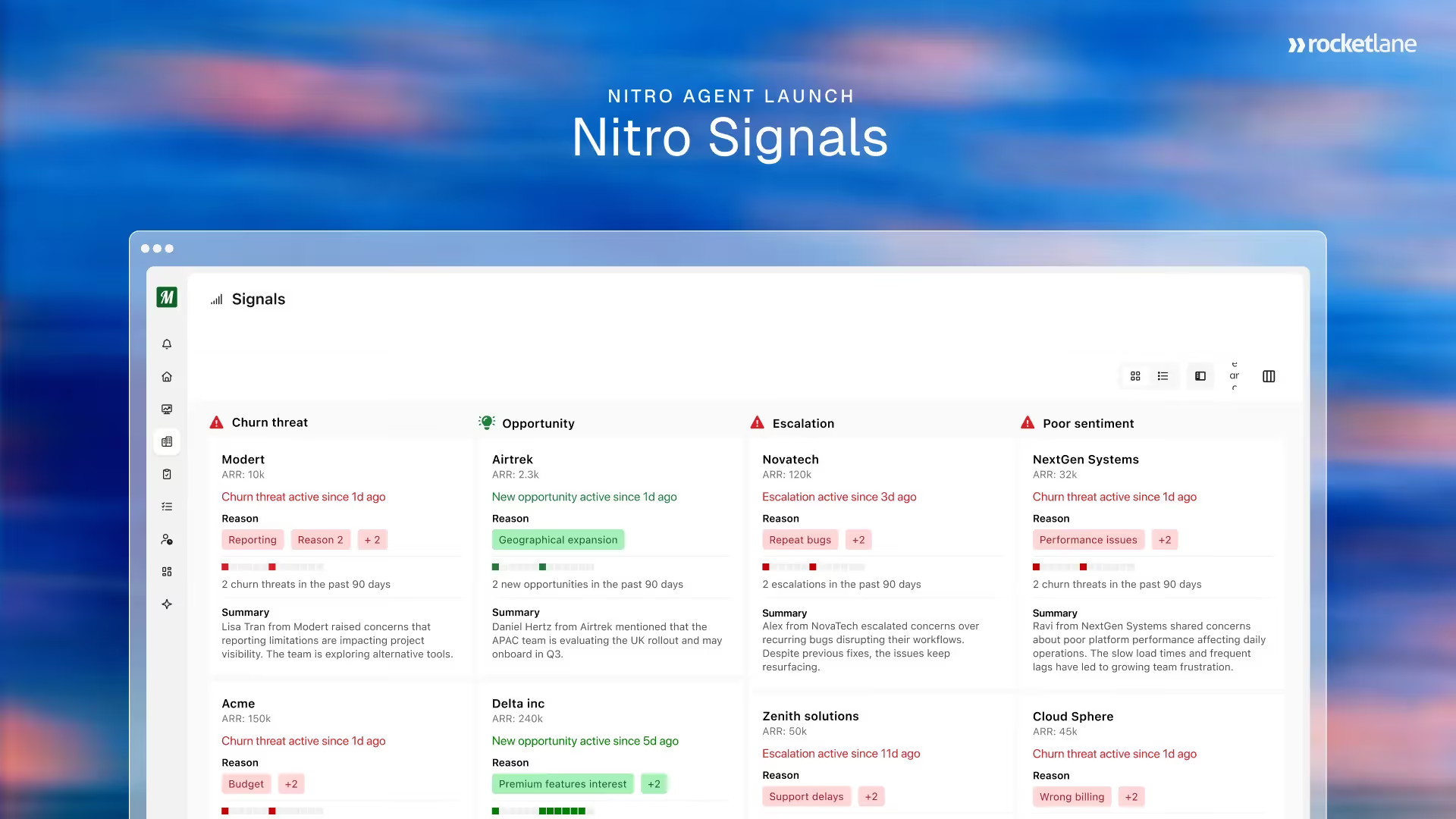
Nitro Signals continuously analyzes your customer interactions to surface what actually needs your attention.
It doesn't just show you what's happening. It highlights what's changing, what's at risk, and what might be an opportunity — so instead of digging through tools and updates, you start your day with a clear view of what matters and what to do next.
Here's what that looks like in practice: a delivery lead managing 30 accounts notices a flag on an enterprise client.
A stakeholder has gone quiet across the last three calls, and sentiment in email threads has shifted. No one escalated it. No ticket was raised. But Signals caught it two weeks before the QBR, giving the team time to get ahead of it.
That's the moment Signals is designed for.
What Nitro signals surfaces for you
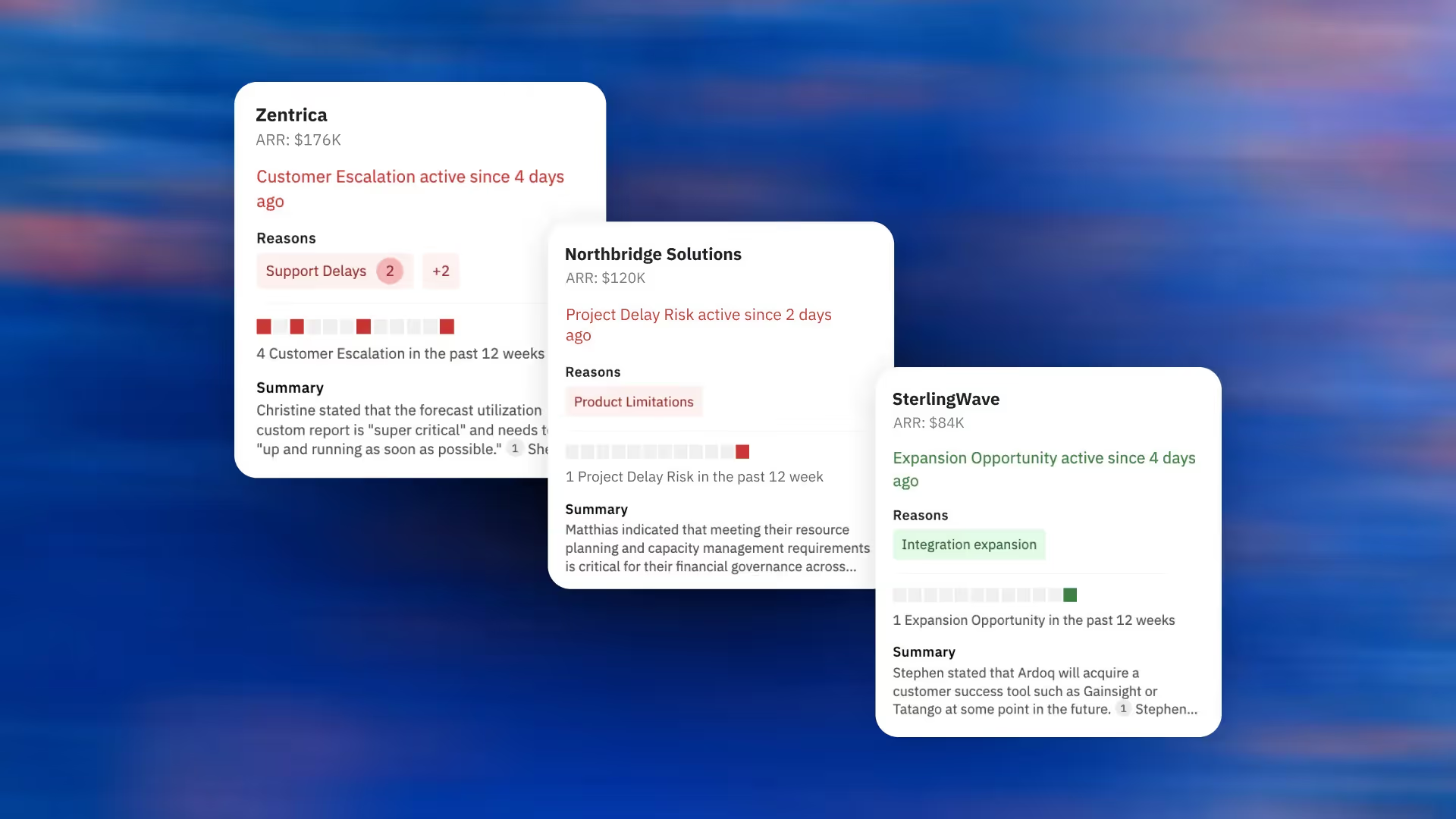
Not every risk gets escalated. Not every opportunity gets flagged. Most of them just quietly pass. Nitro Signals makes sure they don't.
- Delivery risk
Delivery issues rarely show up all at once. They creep in through small delays, scope changes, or misalignment. By catching these earlier, teams can intervene before rework piles up and margins quietly erode. - Churn signals
Customers signal dissatisfaction long before they say it outright. A champion goes quiet. Sentiment shifts. A concern goes unacknowledged. Caught early, there's still time to get ahead of it. - Expansion potential
Expansion signals are often the easiest to miss. They are not urgent, so they get deprioritized. A mention of a new team. A new region. A growing use case. Signals makes sure these moments turn into action instead of getting lost.
Tailored to what matters in your business
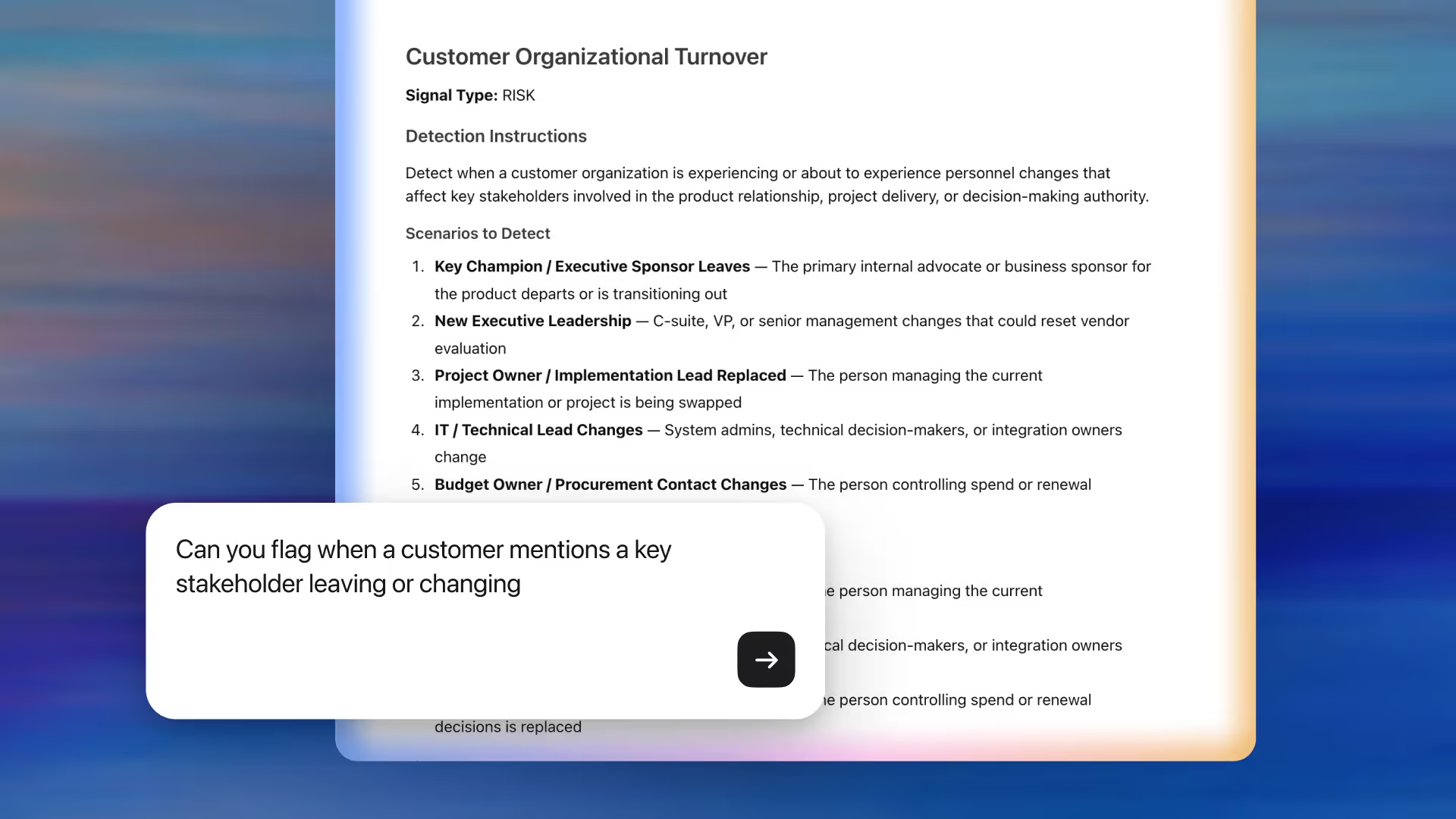
Not every risk or opportunity looks the same across teams and delivery models, so Nitro Signals adapts to yours.
Configuring it is as simple as describing what you care about, in your own words. Here's what teams are already tracking:
- "Flag when a customer mentions a key stakeholder leaving or changing"
- "Surface negative sentiment specifically around product gaps or limitations"
- "Alert me when customers mention problems with third-party integrations"
- "Track when customers are pushing back on go-live timelines, and why"
- "Capture specific feature or capability requests from customers"
- "Flag any mentions of needing more users or expanding the team"
- "Surface unsolicited positive feedback — calls where a customer could be an advocate worth nurturing"
If it matters to your business, Signals can watch for it.
For leadership, it goes further
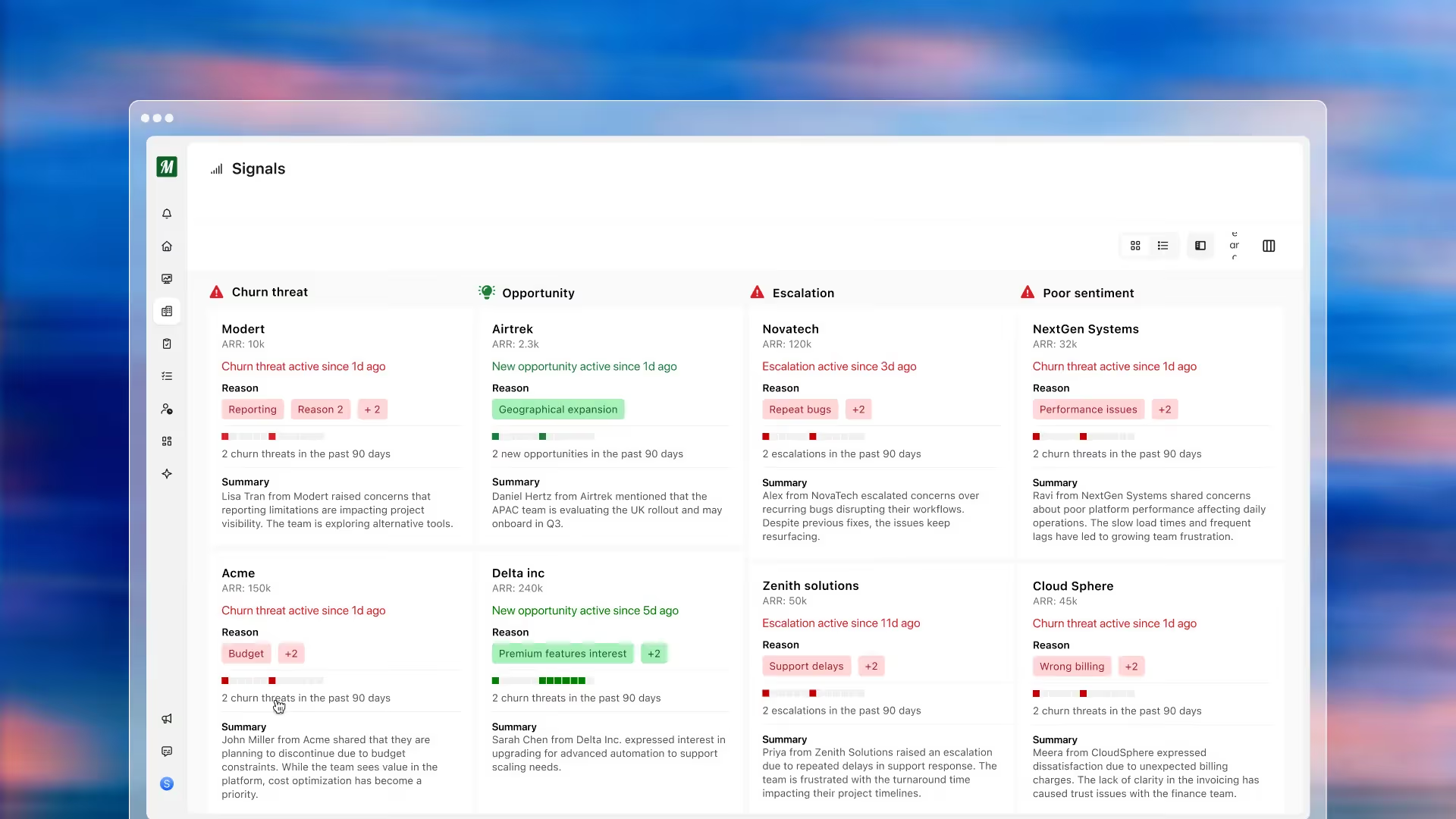
Individual CSMs and delivery leads aren't the only ones flying blind. Leaders making decisions about where to invest, which accounts to prioritize, and what's threatening the portfolio are often piecing things together from standup updates and gut feel.
Nitro Signals gives leadership a portfolio-level view of what's actually happening across all accounts. Not just the ones that escalated.
Walk into every QBR already knowing
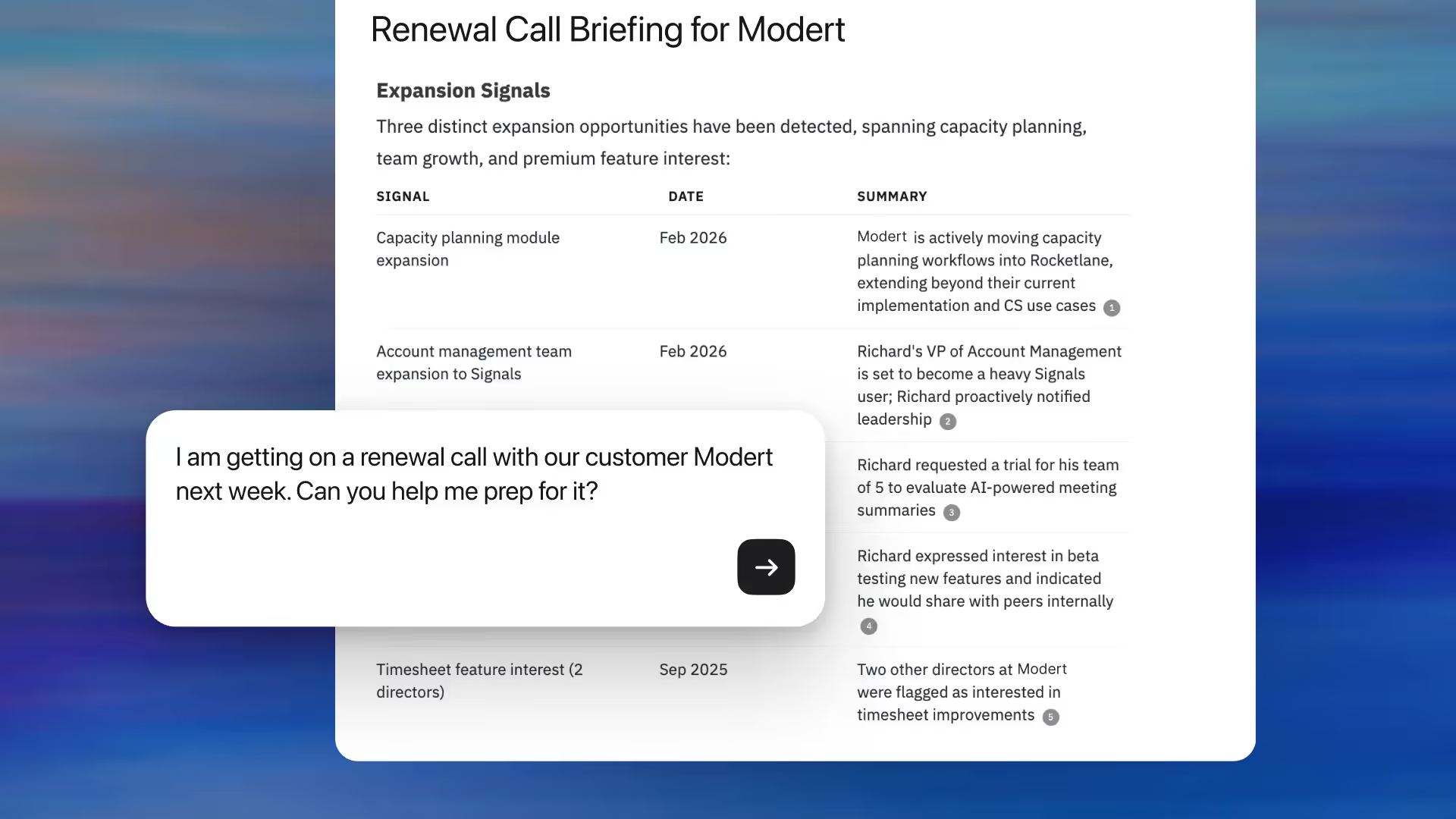
There's a particular kind of dread that comes before a QBR or renewal when you're not sure what's coming.
You've skimmed the last few notes, checked the health score, hoped nothing surfaces that you should have caught earlier.
Nitro Signals changes that. Instead of piecing together updates the night before, just ask:
- What's at risk in this account?
- Are there signs of churn?
- Where is there expansion potential?
- What has changed since the last review?
So you walk into every conversation prepared, with a real understanding of what’s going on and what needs to happen next.
Get started with Nitro Signals
Nitro Signals is available now as part of the Rocketlane Nitro platform.
Book a demo to see it in action, or talk to your Rocketlane account team about getting started
Table of Contents

Regsiter for the live webinar


Great consultants didn't join your team to spend Fridays writing documentation.
Table of contents
18 of Forbes Cloud 100 chose Rocketlane. The best PS teams aren't waiting around.
FAQs











Copyright © 2026 Rocketlane Corp. All rights reserved.
















.webp)